
Telehealth for Diabetes: How Remote Care Supports Better Management
You've got another appointment coming up just to review your blood sugar numbers from the past few months, and you're wondering if there's an easier way to stay on top of things between visits.
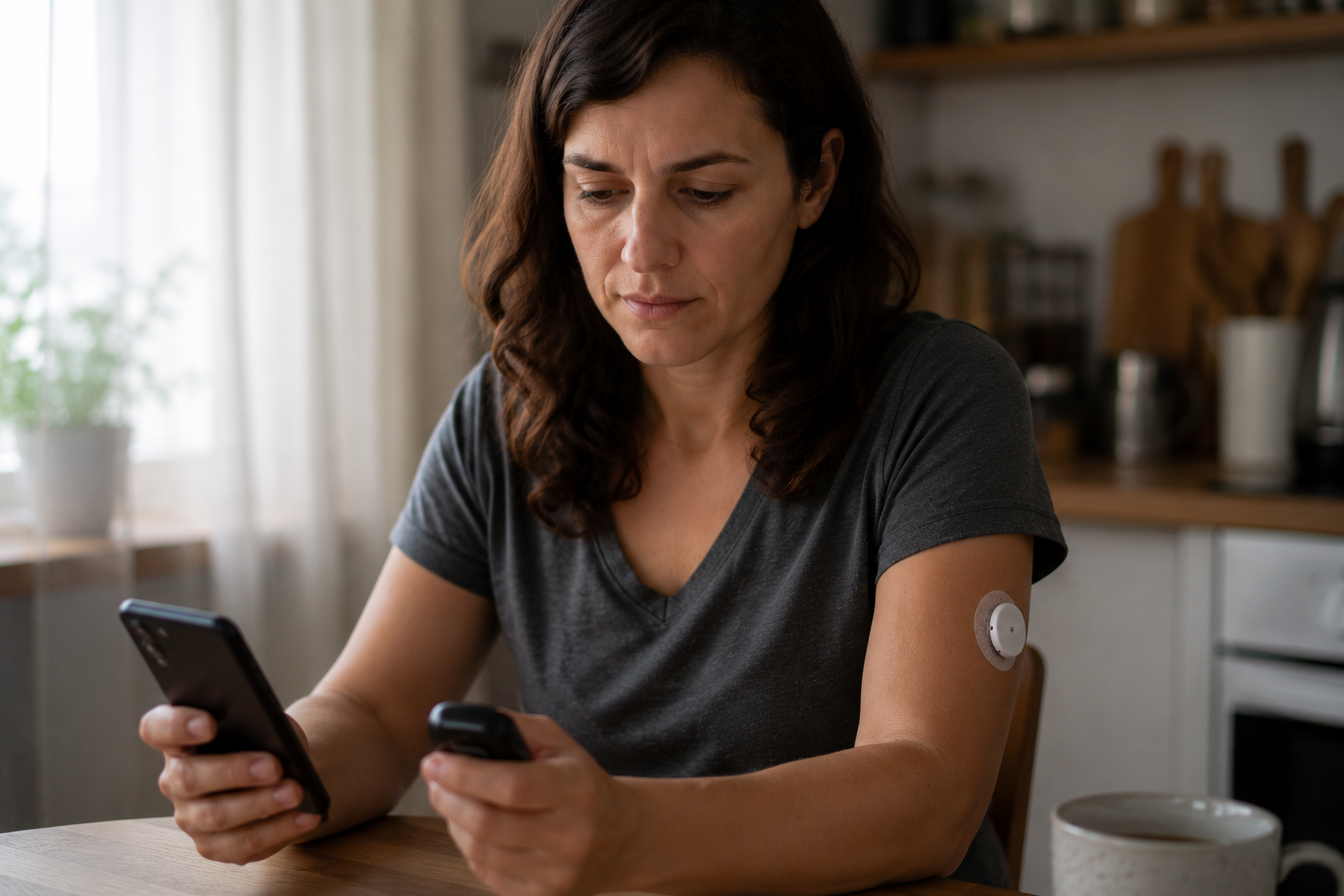
You've got another appointment coming up just to review your blood sugar numbers from the past few months, and you're wondering if there's an easier way to stay on top of things between visits.
This article explains what day-to-day diabetes management involves, how telehealth supports ongoing care, the role of remote monitoring tools, and whether virtual diabetes care is the right fit for your needs.
What Does Day-to-Day Diabetes Management Involve?
Diabetes self-management is a lot more involved than most people realize before they're diagnosed. For someone with type 2 diabetes, daily life often includes checking blood glucose levels, paying attention to food choices, staying active, and in many cases taking insulin or other medication as prescribed.
Early signs of type 2 diabetes in adults can be subtle. Common signs of diabetes include increased thirst, frequent urination, fatigue, and slow-healing cuts or wounds. Because these symptoms often develop gradually, they're easy to mistake for the effects of a busy lifestyle or everyday fatigue. Once diagnosed, ongoing management becomes the real work, and that's where a lot of people start to feel like they're constantly checking in with their care team just to stay on track.
The American Diabetes Association emphasizes that diabetes self-management education plays a major role in long-term outcomes. Understanding your health numbers, what affects them, and how to adjust day to day genuinely changes how well diabetes care goes over time.
How Is Diabetes Diagnosed and Monitored Online?
How is diabetes diagnosed online is a fair question, since an initial diagnosis typically still requires bloodwork done through a lab. Your primary care provider will usually order tests to check your blood glucose levels and confirm a diagnosis before any ongoing care moves to a virtual setting.
Once you're diagnosed and have an established treatment plan, telehealth becomes a genuinely useful tool for managing things going forward. A telehealth appointment lets you review your blood glucose data with your provider, discuss how your current approach is working, and make adjustments without needing to come into an office every time something needs attention.
Many primary care providers now offer telehealth options specifically built around diabetes management, recognizing that a condition requiring this much ongoing attention benefits from more frequent, lower-friction check-ins than a typical in-person schedule allows.
What Role Does Remote Monitoring Play in Diabetes Care?
This is where diabetes technologies have changed the picture significantly. A continuous glucose monitor is a small wearable device that tracks blood glucose levels throughout the day and night, removing the need for frequent finger-prick testing. This kind of remote patient monitoring gives both you and your provider a much more complete picture than occasional self-monitored blood glucose checks ever could.
Real-time continuous glucose monitoring data can be shared directly with your care provider between appointments, which means patterns and problems can be caught and addressed faster. If your numbers are trending in a direction that needs attention, your provider might reach out before your next scheduled visit rather than waiting to discuss it weeks later.
Research on telehealth interventions for diabetes found that combining remote monitoring with regular provider check-ins improves blood glucose control for many patients with diabetes. The benefits of telehealth in this context come from the combination of better data and more consistent contact with your care team, not from replacing in-person care entirely.
What Are the Benefits of Using Telehealth for Diabetes Management?
For a lot of people, the appeal of using telehealth for diabetes comes down to convenience without giving up quality of care. A telehealth visit means you don't have to take time off work, arrange childcare, or sit in a waiting room just to go over your health numbers and adjust your medication. That convenience tends to translate into more consistent follow-up, since people are more likely to actually show up to a fifteen-minute video visit than to repeatedly reschedule an in-person appointment around a busy week.
Telemedicine in diabetes care also tends to support better communication between visits. If you have a question about a new symptom, a medication side effect, or how to adjust your insulin around a change in routine, telehealth makes it easier to reach your provider without waiting for your next scheduled appointment.
While telehealth is a valuable part of diabetes care, it works best alongside — not as a replacement for — in-person care. Certain aspects of diabetes management, such as annual foot exams, comprehensive eye exams, and routine laboratory testing, still require face-to-face visits. Instead of replacing traditional care, telemedicine helps make ongoing diabetes management more accessible by improving communication, supporting regular follow-ups, and strengthening your connection with your healthcare provider.
Is Telehealth Right for Your Diabetes Care?
If you're someone managing type 2 diabetes who finds it hard to keep up with frequent in-person appointments, or if you simply want more consistent contact with your care provider between visits, telehealth for diabetes management is worth bringing up with your primary care provider. Many healthcare systems and providers now incorporate telehealth into their diabetes care programs, recognizing that effective diabetes management requires ongoing monitoring, regular follow-up, and consistent support.
If you're newly diagnosed with type 2 diabetes, your first steps will likely still involve in-person visits to get your treatment plan established. But once things are more stable, ask your provider whether telehealth appointments could fit into your ongoing care, especially if remote monitoring tools like a continuous glucose monitor are part of your management plan. For many people, having better access to their health data and an easier way to stay connected with their care team makes diabetes management feel more manageable and less overwhelming.
This blog is for informational purposes only and is not a substitute for professional medical advice, diagnosis, or treatment. Always consult your doctor or a qualified healthcare provider with any questions you may have regarding a medical condition.
More Articles
Related Reading

Sep 2, 2026
Gout Treatment Online: How to Get Relief Without Waiting
Sudden joint pain that won't go away? Learn the signs of gout, common triggers, and how to get treatment online.

Sep 1, 2026
Hypothyroidism: Symptoms and Causes of an Underactive Thyroid
Feeling tired, cold, or off for no clear reason? Learn the symptoms and causes of hypothyroidism, plus when to get your thyroid checked, in person or through a telehealth visit.
Aug 28, 2026
High Cholesterol: How It's Treated and How to Get Care Online
Your last bloodwork came back with a cholesterol level higher than your doctor would like, and now you're staring at numbers you don't fully understand, wondering what it actually means for your health.
Ready to speak with a board-certified physician?
Get expert care from the comfort of your home — no insurance required.