
Company News
A Common Sugar Substitute May Carry a Cardiovascular Risk Adults Should Know About
A study published in the European Heart Journal found that high xylitol levels in the blood were linked to a significantly higher risk of cardiovascular events. Here is what adults using sugar substitutes should know.
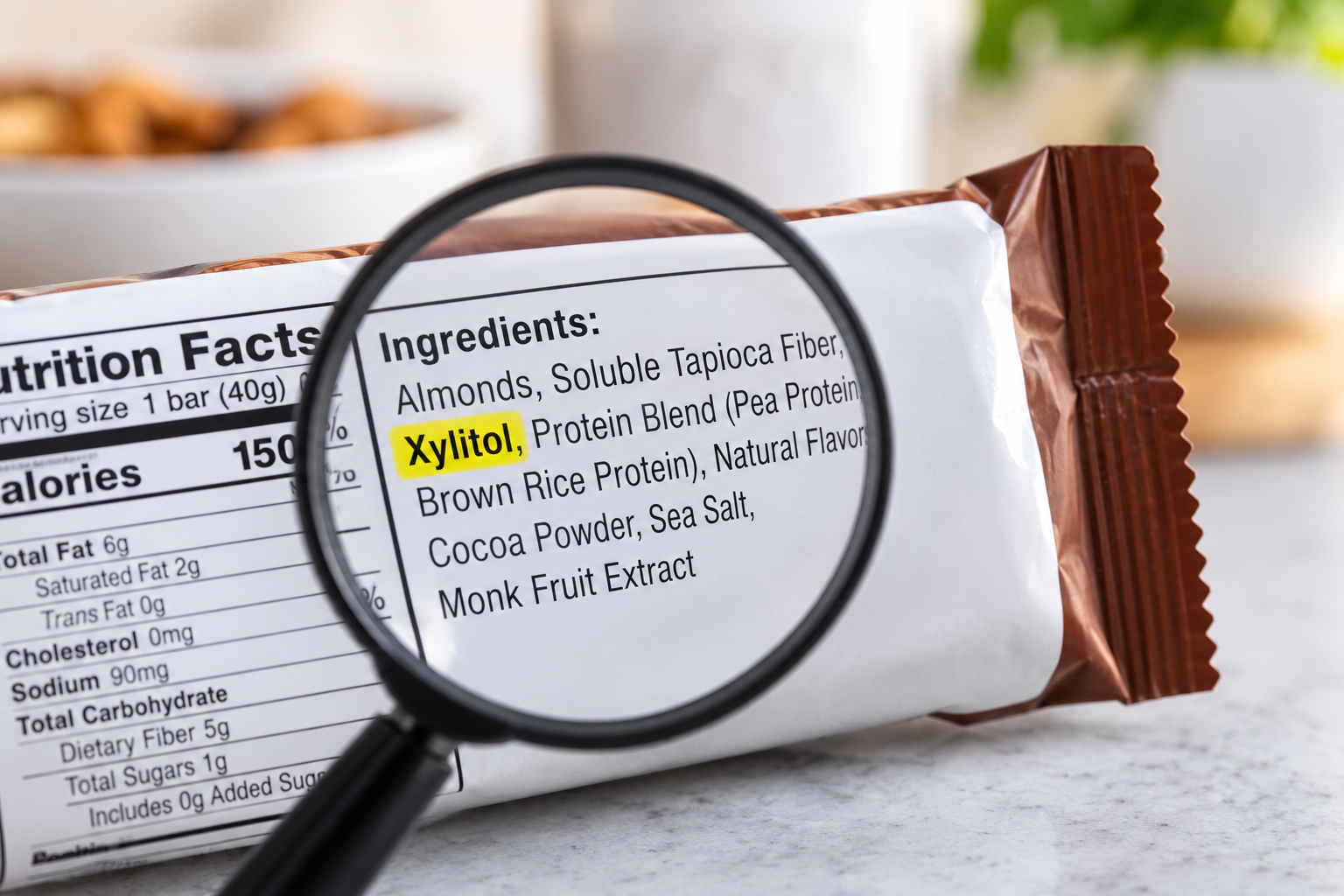
Xylitol has become one of the most widely used sugar substitutes on the market. It appears in sugar-free gum, toothpaste, protein bars, and a range of products positioned as healthier alternatives to sugar. For adults managing weight, blood sugar, or dental health, it has long been considered a safe choice. Research published in the European Heart Journal is raising questions that complicate that picture.
The study, led by Stanley Hazen and colleagues at the Cleveland Clinic, took a three-part approach: a large patient analysis, preclinical laboratory testing, and a controlled intervention in human volunteers. In the patient analysis, which drew on more than 3,000 individuals from both the United States and Europe, patients with the highest circulating xylitol levels had a significantly elevated three-year risk of major cardiovascular events compared to those with the lowest levels. The association held up across the cohort and pointed to a consistent pattern between xylitol exposure and cardiovascular risk.
The laboratory work offered a biological explanation for what the patient data suggested. In preclinical models, xylitol increased platelet aggregation and raised thrombosis risk, meaning it appeared to make blood more prone to clotting in ways that could contribute to heart attacks and strokes. In the human intervention portion of the study, measures of clotting activity rose significantly after participants consumed a xylitol-sweetened beverage but did not rise after they consumed a glucose-sweetened one.
The researchers were careful to note that the findings demonstrate an association rather than direct causation, and that further studies are needed to fully characterize xylitol’s long-term cardiovascular effects. Hazen noted specifically that the findings do not suggest people should stop using xylitol-containing toothpaste, where exposure is low and the dental benefits are well established. The concern is more relevant to adults consuming xylitol regularly through food products, beverages, and supplements.
It is also worth noting that this is not the first time the Cleveland Clinic team has raised a concern of this kind about a sugar alcohol. A similar link between erythritol and cardiovascular risk was reported by the same group in 2023. Together, the studies suggest that sugar alcohols as a category deserve more rigorous scrutiny than they have historically received.
For adults who use xylitol-containing food products regularly and have existing cardiovascular risk factors, this research is worth discussing with a board-certified physician.
References
European Society of Cardiology. Xylitol May Increase the Risk of Cardiovascular Events. ESCardio.org.
News-Medical. Artificial Sweetener Xylitol Associated With Higher Risk of Adverse Cardiovascular Events. News-Medical.net.
Medical News Today. Popular Chewing Gum Sweetener Xylitol Linked to Higher Heart Attack Risk, Study. MedicalNewsToday.com.