
Company News
Before You Ask an AI About Your Health, Read This
A Consumer Reports investigation reveals that AI health tools can get things wrong in ways that matter. Here is what adults should know before using them for medical guidance.
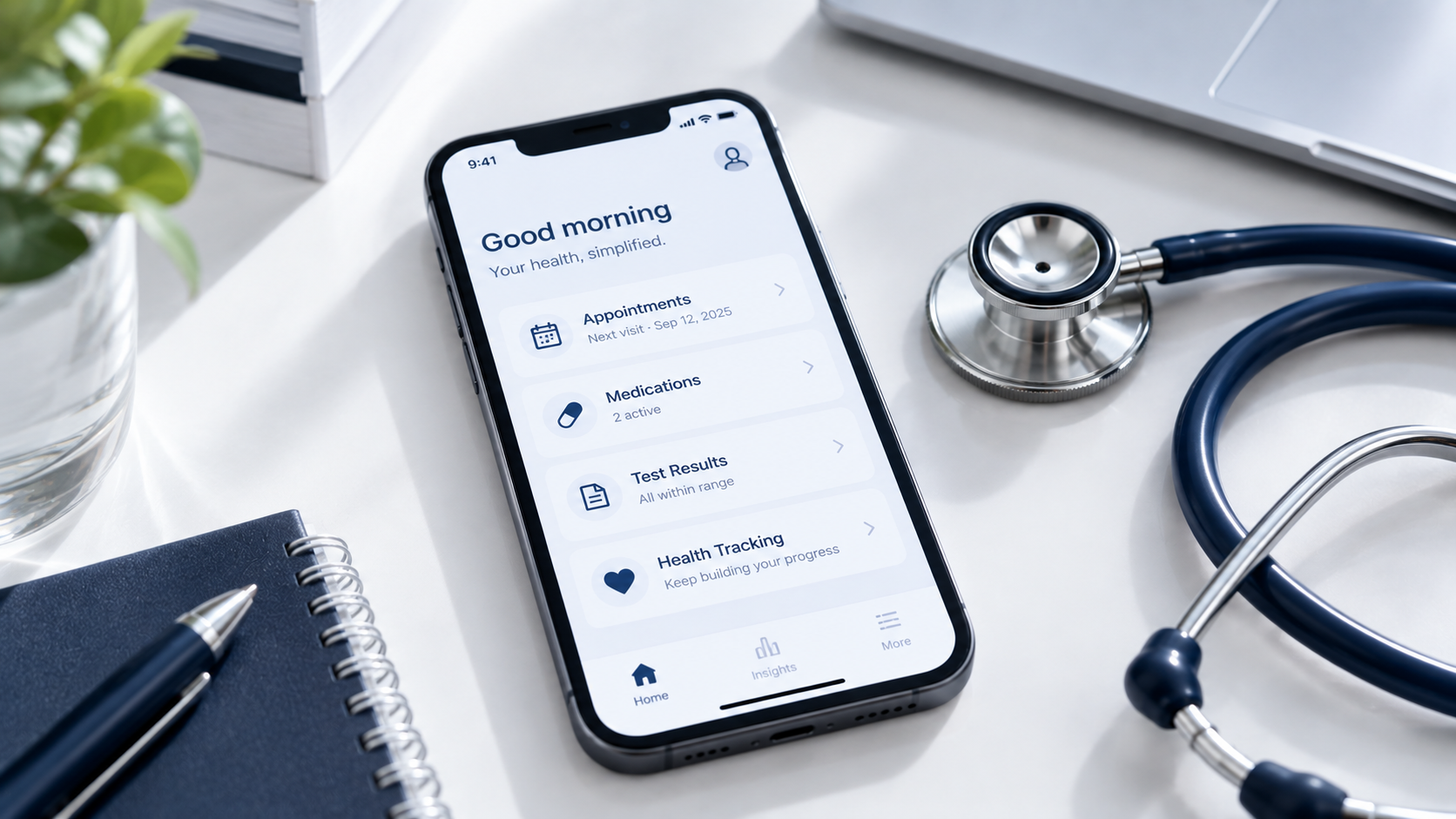
It is becoming one of the most common things adults do when something feels off: type the symptoms into an AI chatbot and wait for an answer. The tools are fast, available at any hour, and increasingly sophisticated in how they communicate. But a recent investigation by Consumer Reports is raising important questions about how far that trust should extend, particularly when the health decisions being made are your own.
Consumer Reports evaluated several widely used AI tools against a broad range of health-related scenarios, from symptom identification to medication questions to guidance on when to seek care.
For general health and wellness topics, the tools performed reasonably well, drawing on established medical knowledge to produce broadly accurate responses. The picture became more complicated as the questions got more specific, more urgent, or more clinically nuanced, which is precisely when accuracy matters most.
One of the central concerns the investigation raised is what technologists call hallucination, the tendency of AI systems to generate information that sounds authoritative and well-reasoned even when it is factually wrong.
In everyday use, a confident wrong answer is a minor inconvenience. In a health context, it can lead an adult to underestimate a serious symptom, delay a necessary appointment, or make a medication decision without complete information.
Another important limitation is how quickly AI health information goes out of date. AI models are trained on data up to a fixed point in time and do not automatically update when new clinical guidelines are issued, when drug recalls happen, or when public health recommendations change.
An adult asking about the latest treatment options for a chronic condition, or the most current guidance on a medication they are taking, may receive information that is months or years out of date without any indication that this is the case.
None of this means AI health tools have no place in an informed adult's toolkit. For background research, general explanations of how a condition works, or understanding the terminology a doctor used during an appointment, they can be genuinely useful.
The risk lies in using them as a substitute for professional evaluation rather than a supplement to it. A board-certified physician brings something no AI can replicate: the ability to assess your full medical history, order appropriate tests, and make clinical judgments based on your individual circumstances in real time.
For adults who rely on telehealth for convenient, flexible access to care, the answer is simple. AI can help you prepare for a conversation with your doctor, but it cannot replace that conversation.
References / Sources
Consumer Reports. Can You Trust AI for Health Questions? ConsumerReports.org.
American Medical Association. Augmented Intelligence in Medicine. AMA-ASSN.org.
U.S. Food and Drug Administration. Artificial Intelligence and Machine Learning in Software as a Medical Device. FDA.gov.