
Company News
Rural Communities Face New Challenges in Breast Cancer Care
New U.S. research highlights changing breast cancer survival patterns across rural and urban communities, raising questions about access to screening, diagnosis, and treatment.
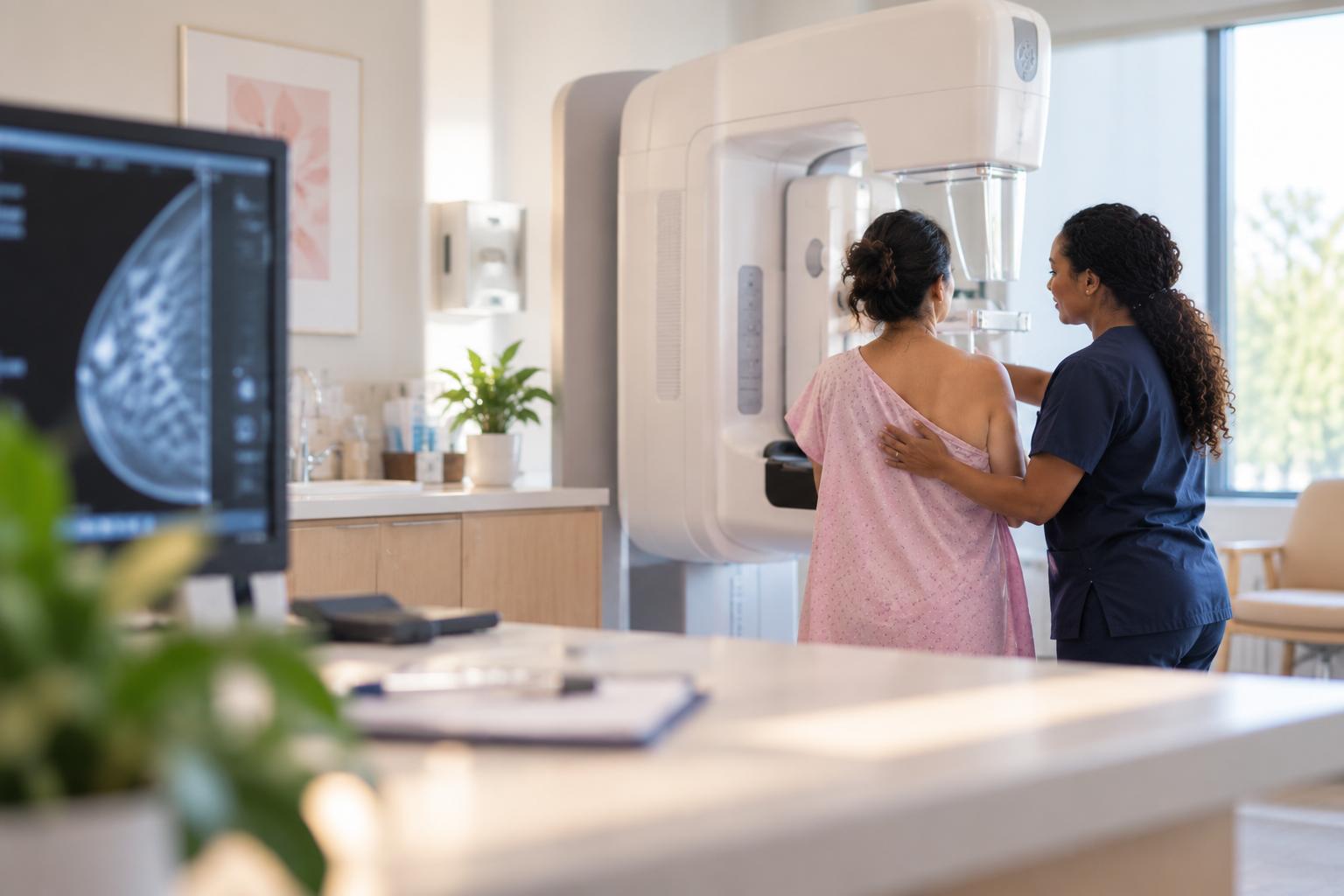
A woman's chances of receiving timely breast cancer care can be influenced by the healthcare resources available in her community. Recent research from the American Cancer Society suggests that this may be an increasing concern for women living in rural parts of the United States. Findings presented at the 2026 ASCO Quality Care Symposium point to changing outcomes that warrant closer attention from healthcare professionals and policymakers.
For one study, researchers examined records covering more than 2.8 million breast cancer diagnoses made between 2004 and 2023. Their analysis found that women living in smaller communities generally had less favorable survival outcomes than those in large metropolitan areas. The difference in mortality also became more pronounced in the more recent years studied. These findings suggest that improvements in cancer care may not be reaching every population equally.
A separate investigation explored how breast cancer mortality changed over several decades. Earlier data showed that women in rural communities had lower death rates than women in urban settings. That relationship later shifted, with rural women experiencing higher mortality in more recent years.
Researchers also identified a concerning pattern involving advanced disease: cases in which cancer had spread to distant parts of the body were increasing more quickly in rural areas. Detecting breast cancer before it advances can affect treatment options, making this trend important to investigate.
Several circumstances could contribute to these differences, although the research does not establish a direct cause. Some rural residents must travel considerable distances to reach mammography facilities, diagnostic services, or cancer specialists. Limited local healthcare resources may also make follow-up appointments and specialized treatment more difficult to arrange. These challenges can add practical barriers to care, particularly when patients need several visits throughout diagnosis and treatment.
The findings were presented at a scientific conference and should be interpreted with that limitation in mind until further research and peer review provide more evidence. Additional studies may help determine which factors contribute most to the changing outcomes and where improvements would have the greatest impact. Women who have questions about breast cancer risk or screening recommendations, can consult a board-certified physician to discuss appropriate next steps. Access to reliable medical guidance is important, regardless of a person's location.
References