
Company News
Tai Chi and Mindfulness Show Promise for Managing Symptoms After Cancer Treatment
Research involving 587 cancer survivors suggests that tai chi and mindfulness may help people cope with lingering fatigue and pain after treatment. Here is a closer look at the findings.
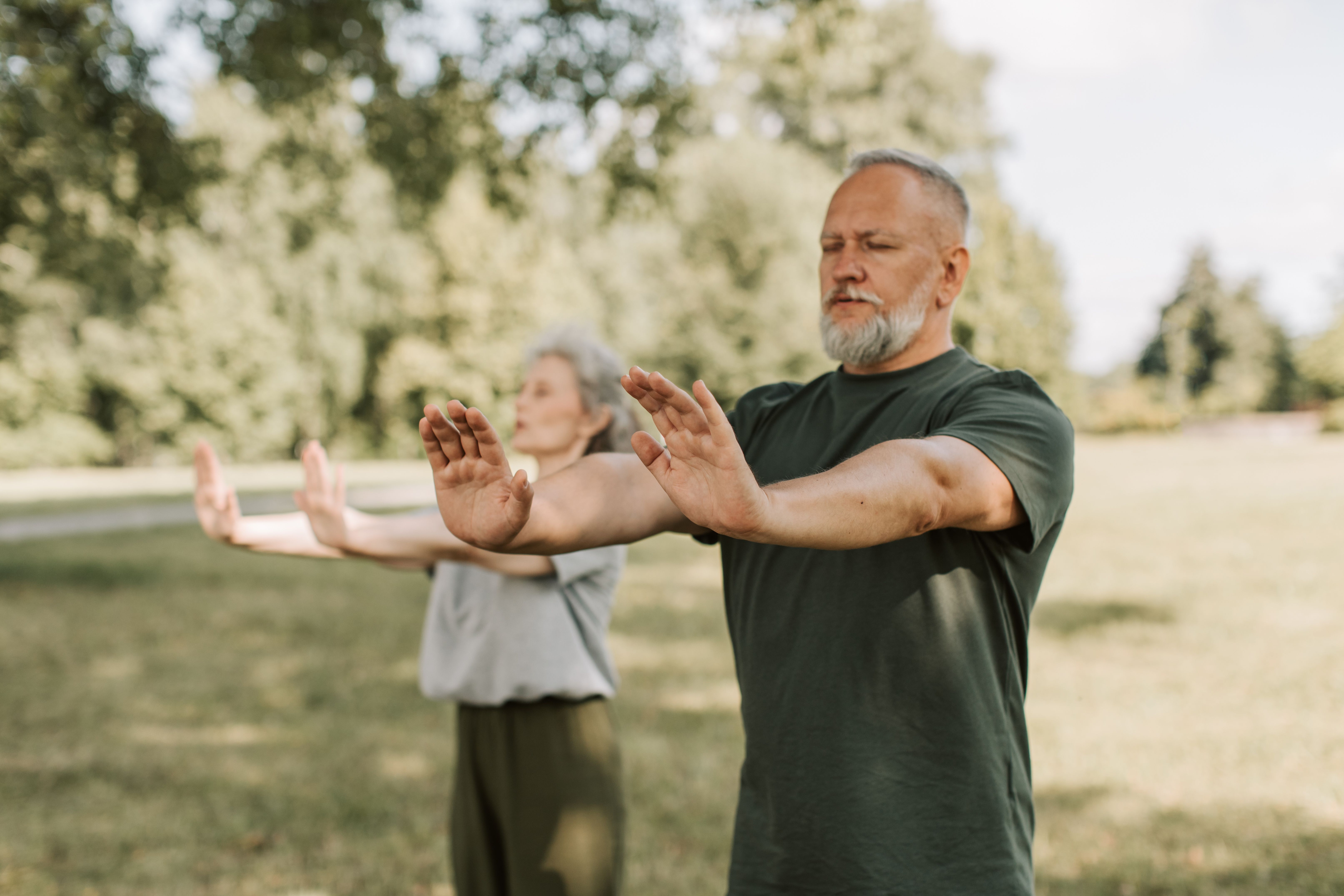
Returning to everyday life after cancer treatment can take time. Even when treatment is complete, some people continue to struggle with low energy and pain that makes ordinary tasks more difficult. These ongoing symptoms can affect how comfortably a person works, sleeps, moves, and participates in daily life. Researchers are investigating whether mind-body practices can offer additional support during this period.
One investigation focused on two approaches that combine physical or mental practice with attention to the present moment. Researchers analyzed data from 587 cancer survivors who participated in the Mindfulness and Tai Chi for Cancer Health (MATCH) trial. Although their cancer treatment had ended, participants were still experiencing significant distress. The group had an average age of 61 and included people who had been treated for several cancers, including breast, prostate, lung, gastrointestinal, gynecologic, and skin cancers.
The study compared a nine-week mindfulness-based cancer recovery course with an 11-week tai chi program that involved weekly sessions. A waitlist group served as a comparison to help researchers assess the results. The findings were published in the Journal of Clinical Oncology, offering insight into how tai chi and mindfulness may support people after cancer treatment.
Fatigue and pain were the clearest areas of improvement. People who participated in either program reported less fatigue, with changes large enough to be considered meaningful rather than simply measurable on a scale. They also experienced less interference from pain in their everyday activities. These findings suggest that both approaches may help some cancer survivors manage symptoms that continue after treatment has ended.
The results for sleep were more limited. Those who practiced tai chi reported some improvement in sleep quality, but the change did not meet the study's threshold for a clinically meaningful benefit. The mindfulness group did not show a statistically significant improvement in sleep. This distinction matters because a positive change in one area does not necessarily mean that the same approach will improve every symptom.
Researchers also examined whether the way participants entered a program affected their results. People who selected their preferred activity experienced outcomes similar to those who were assigned to a group. This finding may help inform future decisions about how supportive programs are offered, although it does not mean that every participant will respond in the same way.
Tai chi and mindfulness are not cancer treatments, and this study does not show that they prevent cancer from returning or replacing medical care. Instead, the findings point to possible ways of improving day-to-day well-being after treatment. Whether either approach is appropriate depends on a person's symptoms, physical abilities, and overall care needs.
Anyone experiencing persistent pain or exhaustion after cancer treatment should discuss these symptoms with a board-certified physician. A medical evaluation can help identify possible causes and determine whether options such as gentle movement or mindfulness practice could complement other recommended care.
References
ecancer. Study Finds Mindfulness and Tai Chi Practices Eased Sleep Problems, Fatigue and Pain After Cancer Treatment. ecancer.org.
News-Medical. Mindfulness and Tai Chi Practices Help Cancer Survivors Manage Symptoms. News-Medical.net.
Nature Index / Journal of Clinical Oncology. Mindfulness, Tai Chi Can Ease Pain, Fatigue Among Cancer Survivors. JCO-24-02540.
Tai Chi for Health Institute. What Is Tai Chi? TaiChiForHealthInstitute.org.