
GLP-1 Medication: For Weight Loss, Diabetes, and Everything in Between
GLP-1 medications are FDA-approved for both weight loss and type 2 diabetes. Here's how they work, what forms are available, and how to find out if one is right for you.
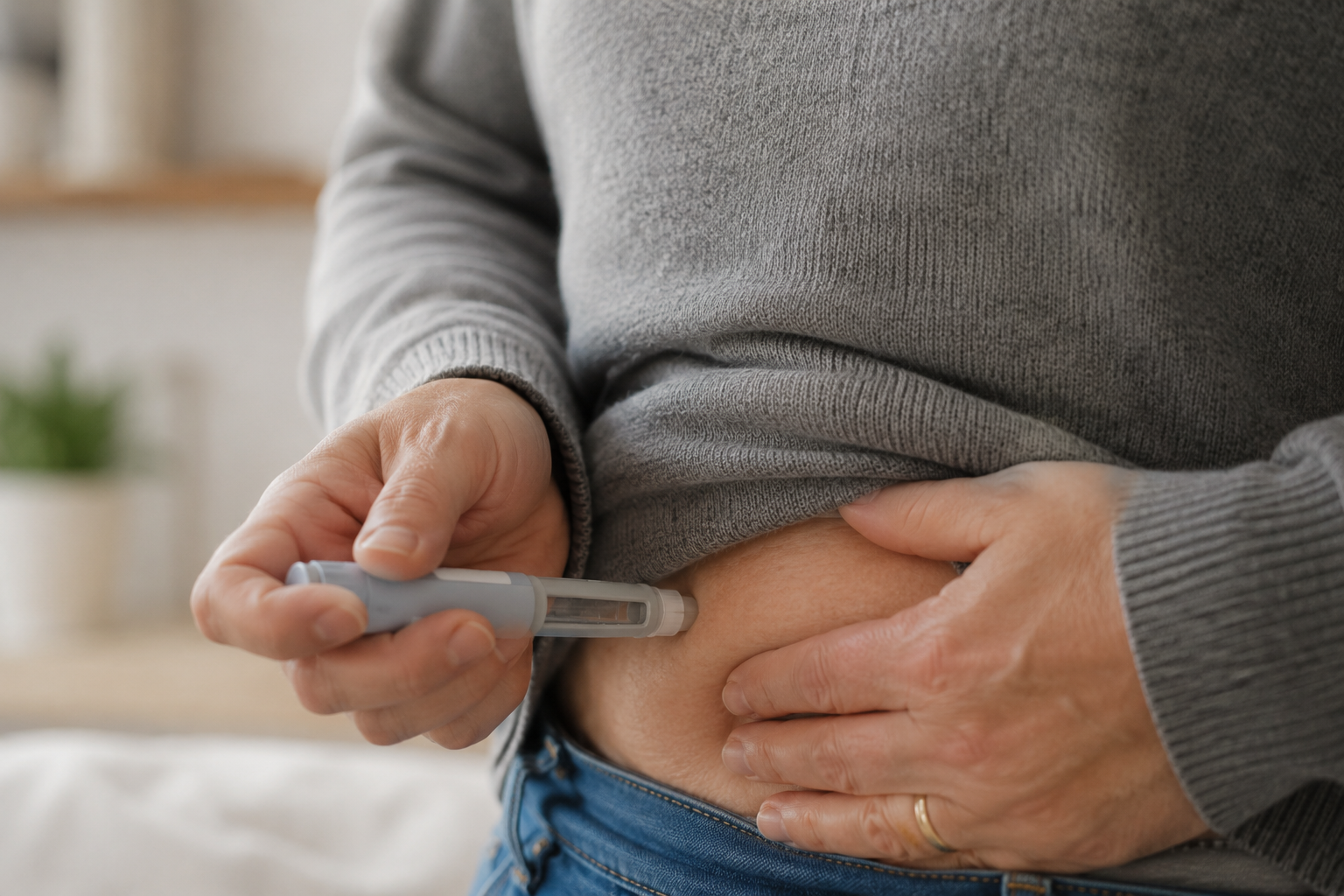
You've been hearing about GLP-1 medications everywhere lately, and maybe for good reason. Whether you've been managing type 2 diabetes for years or you've been struggling to lose weight despite your best efforts, these medications keep coming up as a potential option. If you're wondering whether they're the right option for you, you're not alone.
This article covers what GLP-1 medications are, how they're used for both diabetes and weight management, and what to expect from the two forms currently available in the United States.

What Are GLP-1 Medications and How Do They Work?
GLP-1s, short for glucagon-like peptide-1 receptor agonists, are a class of medication that mimics a hormone your body already produces naturally. That hormone plays a role in regulating blood sugar, slowing digestion, and signaling to your brain that you're full after eating.
Because of those effects, GLP-1 medications were first developed as a treatment for type 2 diabetes, where keeping blood sugar levels stable is the primary goal. Over time, researchers found that people using these medications were also losing weight, which led to separate FDA approvals for weight management as well. Today, GLP-1s are considered one of the more significant advances in treating both conditions, and they're among the most prescribed medications in either category.
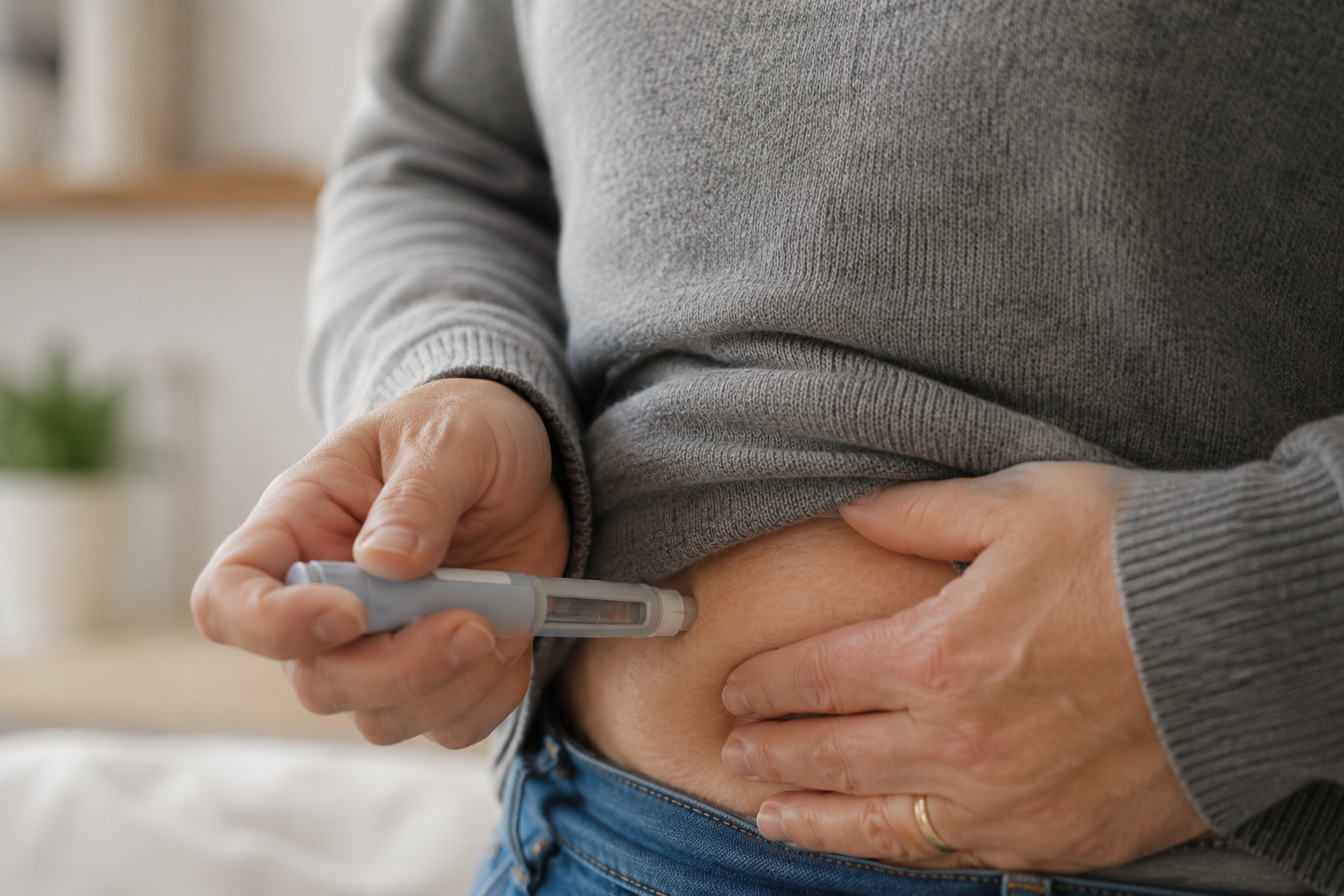
GLP-1 for Type 2 Diabetes
For people managing type 2 diabetes, GLP-1 medications work by helping the pancreas release insulin when blood sugar rises, while also reducing the amount of glucose your liver produces. The result is better blood sugar control throughout the day, without the spikes and crashes that can make diabetes harder to manage.
Semaglutide, sold under brand names like Ozempic for diabetes use, is one of the most widely recognized GLP-1 medications in this category. Tirzepatide, which targets two hormone receptors rather than one, has also shown strong results for blood sugar management and is prescribed under the brand name Mounjaro for diabetes. Both are FDA-approved for the treatment of type 2 diabetes and are typically used alongside lifestyle changes like a balanced diet and physical activity.
People with diabetes who have cardiovascular risk factors may also benefit from GLP-1s beyond blood sugar control, since some of these medications have been shown to reduce the risk of heart attack and stroke in certain patients.
GLP-1 for Weight Loss
The FDA has also approved certain GLP-1 medications for chronic weight management in adults who are overweight or have obesity. These medications are prescribed alongside healthy eating and regular physical activity to support long-term weight loss.
These medications work by slowing digestion and reducing appetite, which helps people eat less without feeling constantly hungry or deprived. Clinical studies have shown that both Semaglutide and Tirzepatide can produce significant, sustained weight loss when combined with lifestyle changes like a reduced-calorie diet and regular movement.
Weight loss results vary from person to person, but clinical studies have shown that GLP-1 medications can produce greater weight loss than lifestyle changes alone. They are generally considered for adults with overweight or obesity, particularly those with weight-related health conditions or who have not achieved lasting results through diet and exercise alone.
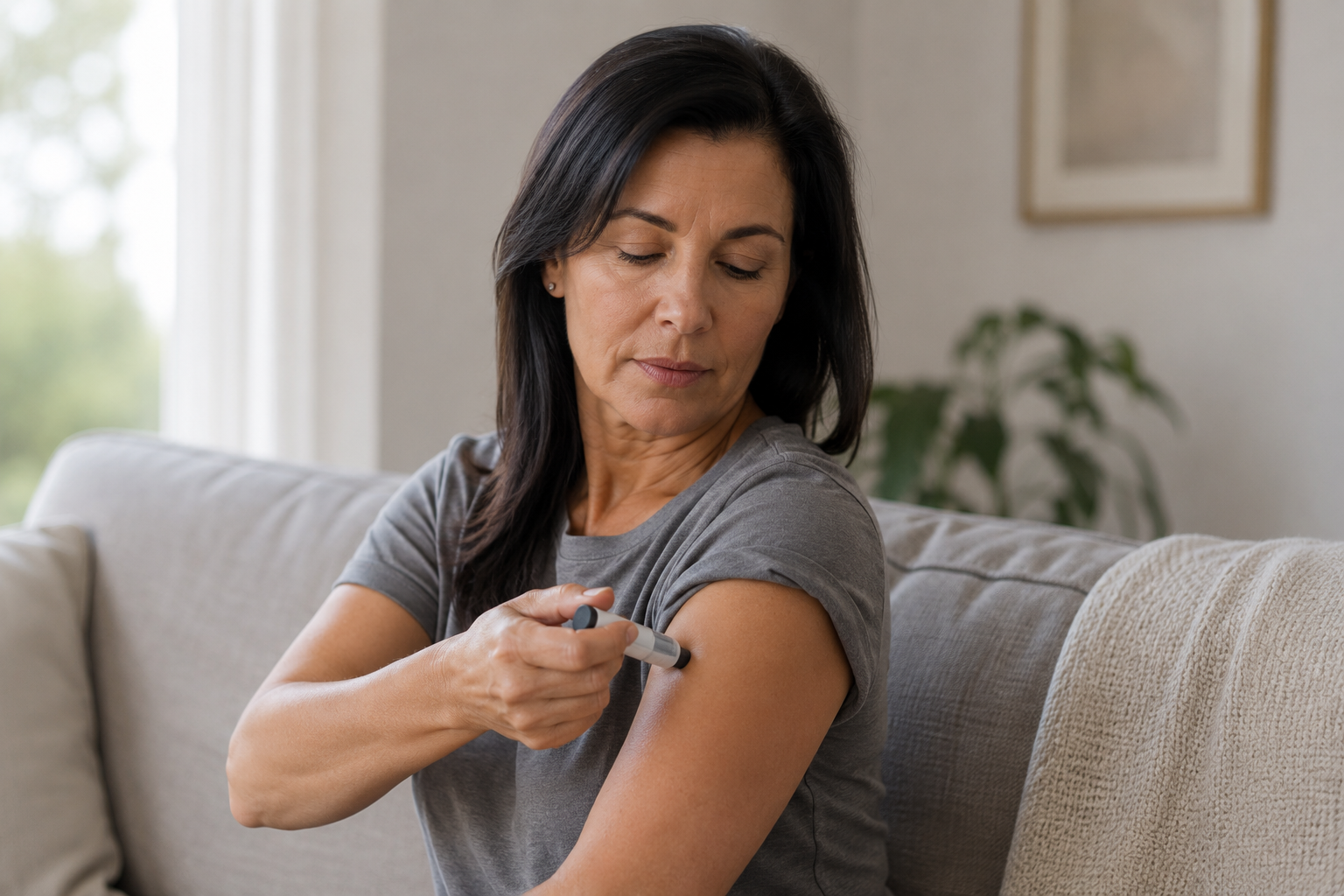
Two Forms Available: Injection and Tablet
One of the more recent developments in GLP-1 treatment is the availability of both injectable and oral options, which gives people more flexibility in how they take their medication.
The injectable form has been available longer and is currently more widely used. It's typically given once a week as a small subcutaneous injection, similar to how insulin is administered. Most people find the injections easy to manage after the first few doses, and the once-weekly schedule makes treatment convenient for many.
Oral GLP-1 medications provide an alternative for people who prefer not to use injections. Some are approved for managing type 2 diabetes, while oral options for weight management continue to expand. Your healthcare provider can help determine whether an oral or injectable medication is the better choice based on your health history, treatment goals, and personal preferences.
Who Is a Good Candidate?
Whether you're approaching this for diabetes management or weight loss, a consultation with a healthcare provider is the right starting point. A provider will review your medical history, current medications, and any existing health conditions before recommending a specific GLP-1 medication or form. What works well for one person may not be the right fit for someone else, and the dosing and medication type can vary depending on what you're treating.
Cost and insurance coverage are also worth discussing upfront. Coverage for GLP-1 medications varies significantly depending on your plan and whether you're using the medication for diabetes or weight loss, since insurers don't always treat the two indications the same way.
What to Expect When Starting
Most providers start GLP-1 medications at a low dose and increase gradually over several weeks. This approach helps your body adjust and reduces the likelihood of common side effects like nausea, constipation, or fatigue. For most people, those early side effects ease up within the first few weeks as the dose stabilizes.
Long-term use is common, particularly for weight management, since stopping the medication can sometimes lead to weight returning over time. Your provider can help you figure out a sustainable plan, including how long to stay on the medication and when or whether to adjust your dose as your health goals evolve.
Telehealth visits make it easier to get started and stay consistent, since you can connect with a provider from home, discuss your options, and have a prescription sent directly to a pharmacy or delivered to your door without needing an in-person appointment first.
If you're curious whether a GLP-1 medication might be a good fit for you, talking with a provider is the best next step. Whether your focus is blood sugar, weight, or both, there are now more treatment options available than ever before.
This blog is for informational purposes only and is not a substitute for professional medical advice, diagnosis, or treatment. Always consult your doctor or a qualified healthcare provider with any questions you may have regarding a medical condition.
More Articles
Related Reading

Sep 2, 2026
What the FDA's 2026 Peptide Reclassification Actually Means for You
BPC-157 and other peptides are back in the news after an FDA advisory committee vote. Here's what actually changed, and why a doctor's involvement still matters.

Sep 2, 2026
What Are Peptides, and What Do They Actually Do?
Peptides are everywhere in wellness conversations right now. Here's a clear breakdown of what they are, how they're used in medicine, and what to know before trying one.

Sep 2, 2026
Does Semaglutide Slow Down Aging? What a New Clinical Trial Found
Could semaglutide be doing more than helping you lose weight? Here's what a new clinical trial found about semaglutide and your biological age, and what it means so far.
Ready to speak with a board-certified physician?
Get expert care from the comfort of your home — no insurance required.