
High Blood Pressure Treatment: What Actually Works
You had your blood pressure checked at a routine visit and the numbers came back higher than expected. Maybe you felt completely fine going in, which makes it feel strange to suddenly have something to address.
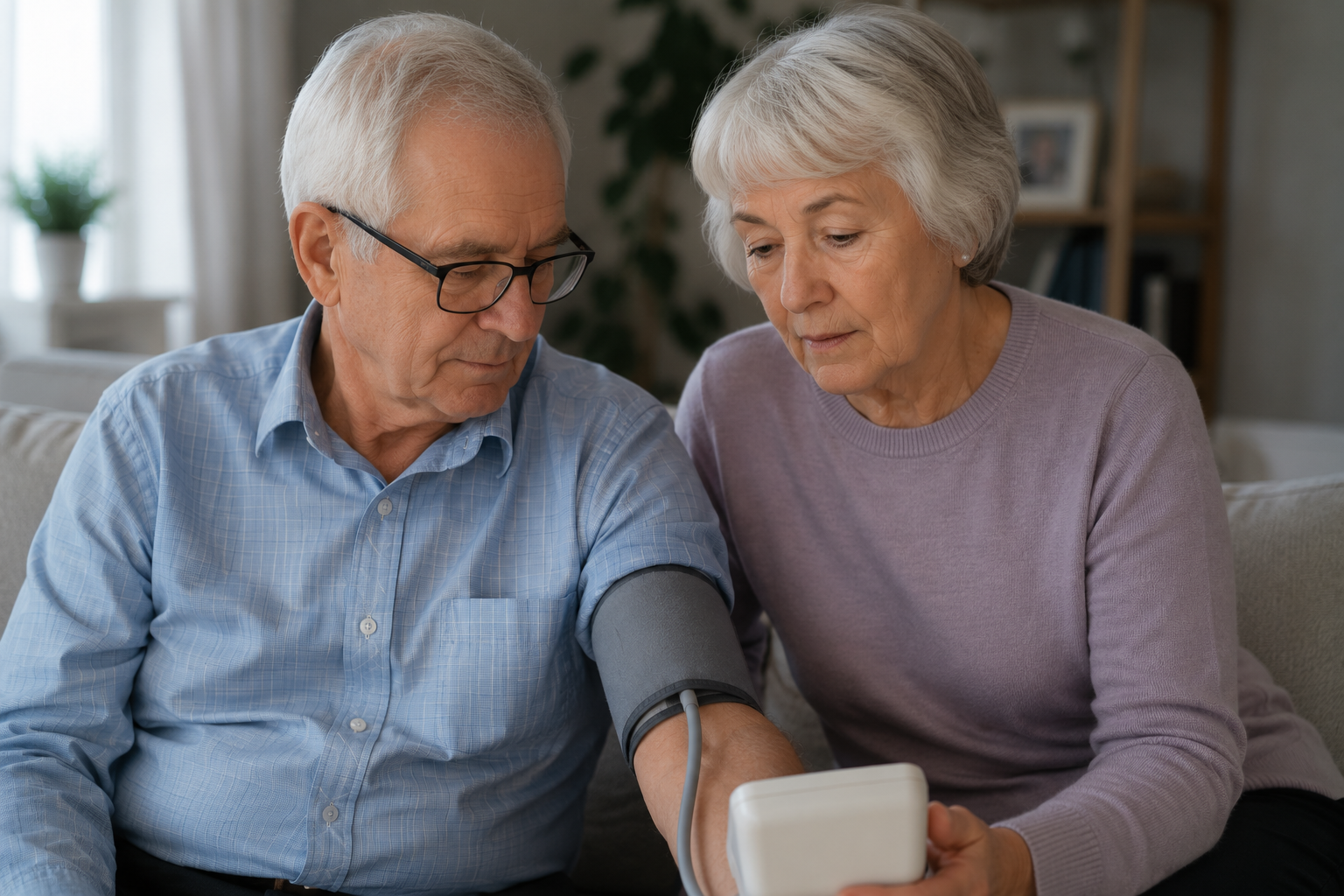
You had your blood pressure checked at a routine visit and the numbers came back higher than expected. Maybe you felt completely fine going in, which makes it feel strange to suddenly have something to address.
This article covers what high blood pressure actually means, what causes it, how it's treated, and how managing high blood pressure through telehealth works for many people.
What Is High Blood Pressure and Why Does It Matter?
Blood pressure is measured using two numbers. Systolic blood pressure, the top number, reflects the pressure in your blood vessels when your heart beats. Diastolic blood pressure, the bottom number, reflects the pressure between beats. A normal reading sits below 120/80. Elevated blood pressure or hypertension is generally defined as a consistent reading of 130/80 or higher, according to the American Heart Association.
High blood pressure often causes no noticeable symptoms, which is part of what makes it worth taking seriously. Many people with hypertension feel perfectly normal for years while the condition quietly puts strain on the heart and blood vessels. Over time, high blood pressure increases the risk of heart attack, stroke, kidney damage, and other complications. Getting a diagnosis early and addressing it is one of the most effective things you can do for your long-term health.
What Causes Sudden or Gradual High Blood Pressure?
High blood pressure doesn't develop the same way for everyone. Some people experience a rapid rise, while others see their blood pressure increase gradually over the years. More often than not, hypertension is caused by a combination of factors rather than one specific reason.
Age plays a role, as blood vessels naturally become less flexible over time. Weight, physical inactivity, a diet high in sodium, chronic stress, and alcohol use can all raise blood pressure. A family history of hypertension is also a significant factor. In some cases an underlying condition like kidney disease or a thyroid issue contributes to an increase in blood pressure, which is why a doctor will often run some basic tests when hypertension is first identified.
Certain medications, including some decongestants and anti-inflammatory drugs, can also raise blood pressure levels, so it's worth mentioning everything you're taking when you speak with a provider.
What Are the Symptoms of High Blood Pressure?
High blood pressure symptoms adults miss are easy to overlook precisely because there usually aren't any. This is why hypertension is often called the silent condition. Most people don't feel anything different even when their readings are significantly elevated.
In some cases, very high readings may cause headaches, dizziness, or visual disturbances, but these are not reliable indicators. The only way to know your numbers is to check your blood pressure regularly. If you haven't had your blood pressure checked recently, that alone is a good reason to schedule a visit.
How Is High Blood Pressure Treated?
Treatment for high blood pressure typically involves a combination of lifestyle adjustments and, when needed, prescription medication.
On the lifestyle side, the things that help most are well established: eating a diet lower in sodium, getting regular physical activity, maintaining a healthy weight, limiting alcohol, and managing stress. These changes can meaningfully lower your blood pressure and sometimes reduce how much medication is needed.
When lifestyle changes aren't enough on their own, a doctor may prescribe blood pressure medications to help. There are several types, and they work in different ways. Some relax blood vessels to make it easier for the heart to pump blood. Others reduce the volume of fluid the kidneys retain. The right choice depends on your specific readings, your overall health, and whether you have other conditions. A doctor will build a treatment plan around your situation rather than a one-size approach.
It's important not to stop or adjust blood pressure medicine without talking to your doctor first, even if you're feeling well. Hypertension usually requires ongoing management rather than a short course of treatment.
Can You Manage Your Blood Pressure From Home?
Yes, and home monitoring plays a genuinely useful role. A home blood pressure monitor lets you take readings at different times of day and build a more complete picture than a single clinic measurement can provide. The American Heart Association recommends using an automated blood pressure measurement device with a properly fitting blood pressure cuff on the upper arm for the most accurate results.
Taking your blood pressure at home consistently, at roughly the same times each day, gives your doctor better data to work with. Some people also use home blood pressure telemonitoring, which allows readings to be shared directly with a provider, making it easier to stay on track between appointments.
Getting high blood pressure treatment online is a practical option for many people, particularly for ongoing management once a diagnosis has been established. An online doctor can review your blood pressure readings, assess how well your current approach is working, adjust your treatment plan, and get a new prescription sent to your pharmacy when needed. Blood pressure medication online is increasingly accessible this way, without requiring a clinic visit every time something needs to be reviewed.
If you're newly diagnosed or your readings have been running high and you haven't spoken to anyone about it yet, a telehealth visit is a reasonable first step. A provider can help you understand your numbers, talk through what's contributing to them, and figure out the right approach for reaching your health goal.
This blog is for informational purposes only and is not a substitute for professional medical advice, diagnosis, or treatment. Always consult your doctor or a qualified healthcare provider with any questions you may have regarding a medical condition.
More Articles
Related Reading

Sep 2, 2026
Gout Treatment Online: How to Get Relief Without Waiting
Sudden joint pain that won't go away? Learn the signs of gout, common triggers, and how to get treatment online.

Sep 1, 2026
Hypothyroidism: Symptoms and Causes of an Underactive Thyroid
Feeling tired, cold, or off for no clear reason? Learn the symptoms and causes of hypothyroidism, plus when to get your thyroid checked, in person or through a telehealth visit.
Aug 30, 2026
Telehealth for Diabetes: How Remote Care Supports Better Management
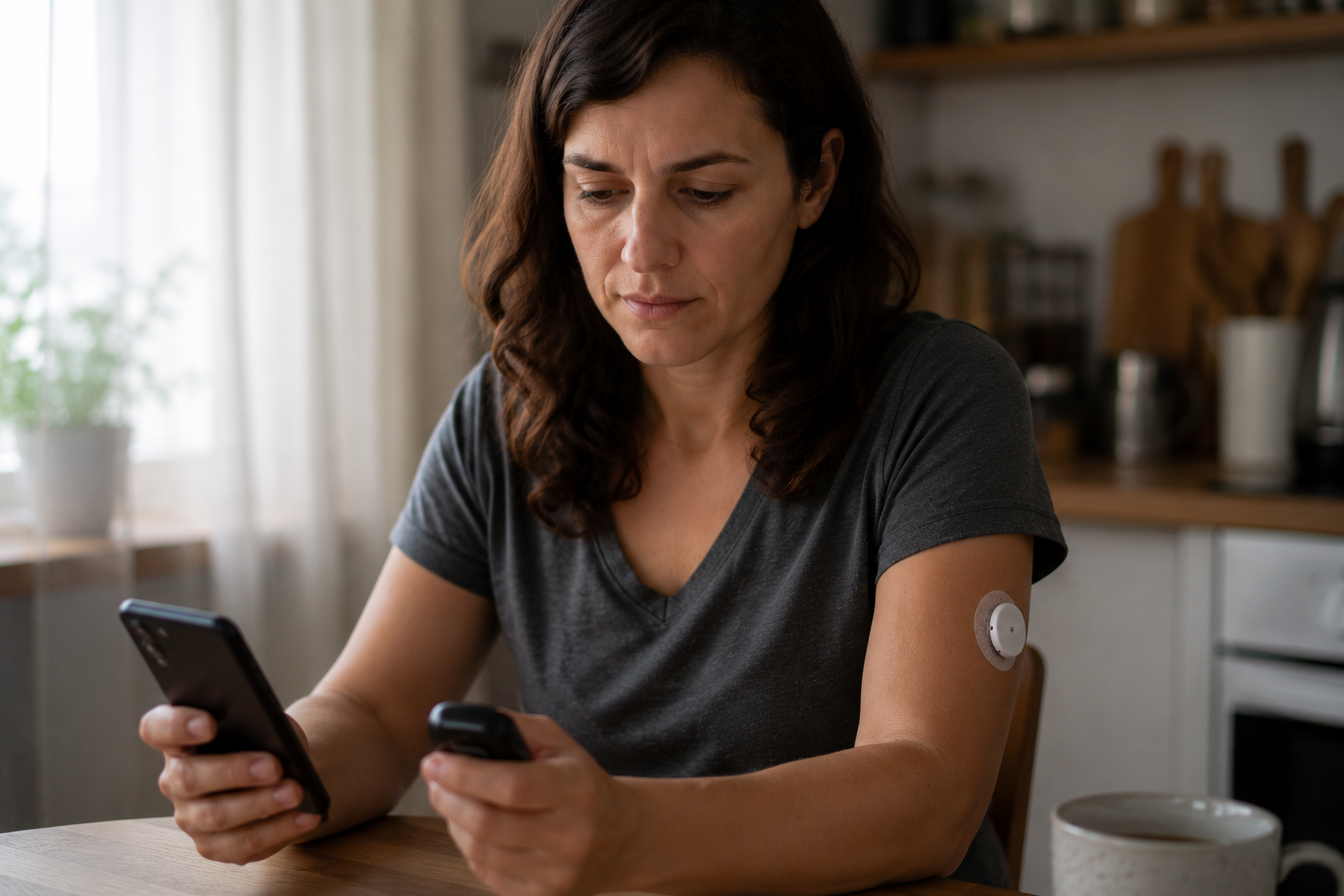
You've got another appointment coming up just to review your blood sugar numbers from the past few months, and you're wondering if there's an easier way to stay on top of things between visits.
Ready to speak with a board-certified physician?
Get expert care from the comfort of your home — no insurance required.