
Breaking Out in Hives? Here's What's Actually Causing It
Woke up covered in itchy welts with no idea why? Learn what causes hives, how to find relief, and when it's time to call a doctor.

You noticed the itching first, then the raised bumps spreading across your arm or your neck, seemingly out of nowhere. Nothing changed about your day. You didn't eat anything unusual, you didn't switch soaps, and yet here you are, scratching at welts that weren't there an hour ago.
This article explains what causes hives, what they typically look like, how they're diagnosed and treated, and when it's time to seek medical care rather than wait for them to go away on their own.
What Causes Hives?
Hives, also called urticaria, happen when your body releases histamine and other chemicals into the skin, causing small blood vessels to leak fluid. That fluid buildup is what creates the raised, itchy welts most people associate with a hive breakout.
The tricky part is that the cause of hives isn't always obvious. Common causes of hives include allergic reactions to food, medication, insect bites, or pollen. Some people develop hives after exposure to heat, cold, sunlight, or pressure on the skin, like from a tight waistband or a backpack strap. Emotional stress is another well known trigger, which is why some people refer to a breakout as stress hives, even though the exact mechanism isn't fully understood.
In a lot of cases, hives show up for no apparent reason at all. When someone gets hives without a known cause, doctors sometimes call it idiopathic urticaria or spontaneous urticaria. It can feel unsettling not to know what triggered it, but this is actually fairly common, and it doesn't necessarily mean something serious is going on.
What Do Hives Look Like?
Hives are raised bumps that can appear anywhere on the body. They often start small and then grow, sometimes merging into larger welts that can end up as large as a dinner plate. The color is usually similar to your skin tone or slightly darker, sometimes with a red or pink tone around the edges.
One feature of hives that sets them apart from many other skin rashes is how quickly they change. A welt might show up in one spot, fade within a few hours, and then reappear somewhere else on the body. This shifting, come-and-go pattern is one of the more recognizable features of hives.
Itching is usually the most noticeable symptom, and it can range from mild to intense. Some people also describe a mild stinging or burning sensation along with the itch.
How Long Do Hives Last?
Most cases of hives are considered acute, meaning they show up suddenly and clear up within a few days to a few weeks. Acute urticaria typically resolves on its own once the trigger passes or the immune reaction settles down.
Chronic hives are different. If welts keep appearing on most days for six weeks or longer, that's generally classified as chronic spontaneous urticaria. This version tends to be more frustrating to manage since it doesn't always have a clear allergen behind it, and it may need an ongoing treatment plan rather than a one time fix.
How Are Hives Treated?
For most people, treatment for hives starts with an antihistamine. These medications block the effects of histamine in the body, which helps calm the itching and reduce new welts from forming. Many over the counter options work well for mild to moderate breakouts.
If antihistamines alone aren't enough, a doctor may recommend a higher dose, a different type of antihistamine, or in some cases a short course of a corticosteroid to bring down inflammation more quickly. For chronic or hard to manage hives, a doctor may prescribe additional medication designed specifically for long term urticaria.
Getting a proper diagnosis matters here. A doctor can look at your symptoms, ask about possible triggers, and help you figure out whether this is a one time reaction or something that needs a longer term treatment plan. Because hives can have so many different causes, from an allergen you were exposed to, to stress, to something with no identifiable trigger at all, a telehealth visit can be a convenient way to get that conversation started without waiting for an in person opening. A doctor can review what you're experiencing, discuss whether an antihistamine or additional treatment makes sense, and point you toward a dermatologist if the hives keep coming back.
Can You Prevent Hives From Coming Back?
If you've been able to identify what leads to hives for you, avoiding that trigger is the most effective form of prevention. Common triggers of hives include certain foods, medications, insect stings, and other allergens. Keeping a simple record of what you ate, the medications you took, or activities you did before a breakout can help you and your doctor identify patterns and pinpoint possible triggers over time.
For people who experience hives from heat, tight clothing, or friction, loose breathable fabrics and avoiding excessive heat exposure can reduce how often welts show up. If emotional stress seems to play a role, stress management practices like regular exercise, sleep, and relaxation techniques may help lower how often you experience hives, even if it can't guarantee they won't happen again.
A few symptoms should never be brushed off. If you develop difficulty breathing, swelling of the lips, tongue, or throat, or other severe symptoms alongside your hives, these can be signs of anaphylaxis, a serious allergic reaction that needs emergency care right away. This is a rare reaction, but it's important to know the difference between ordinary hives and a reaction that can cause a life threatening emergency. For most people, everyday hives are more of an inconvenience than a serious health concern. Understanding what may be triggering them, finding ways to relieve the itching, and recognizing when persistent or recurring hives warrant medical attention can help you manage symptoms and get back to feeling like yourself.
This blog is for informational purposes only and is not a substitute for professional medical advice, diagnosis, or treatment. Always consult your doctor or a qualified healthcare provider with any questions you may have regarding a medical condition.
More Articles
Related Reading
Sep 2, 2026
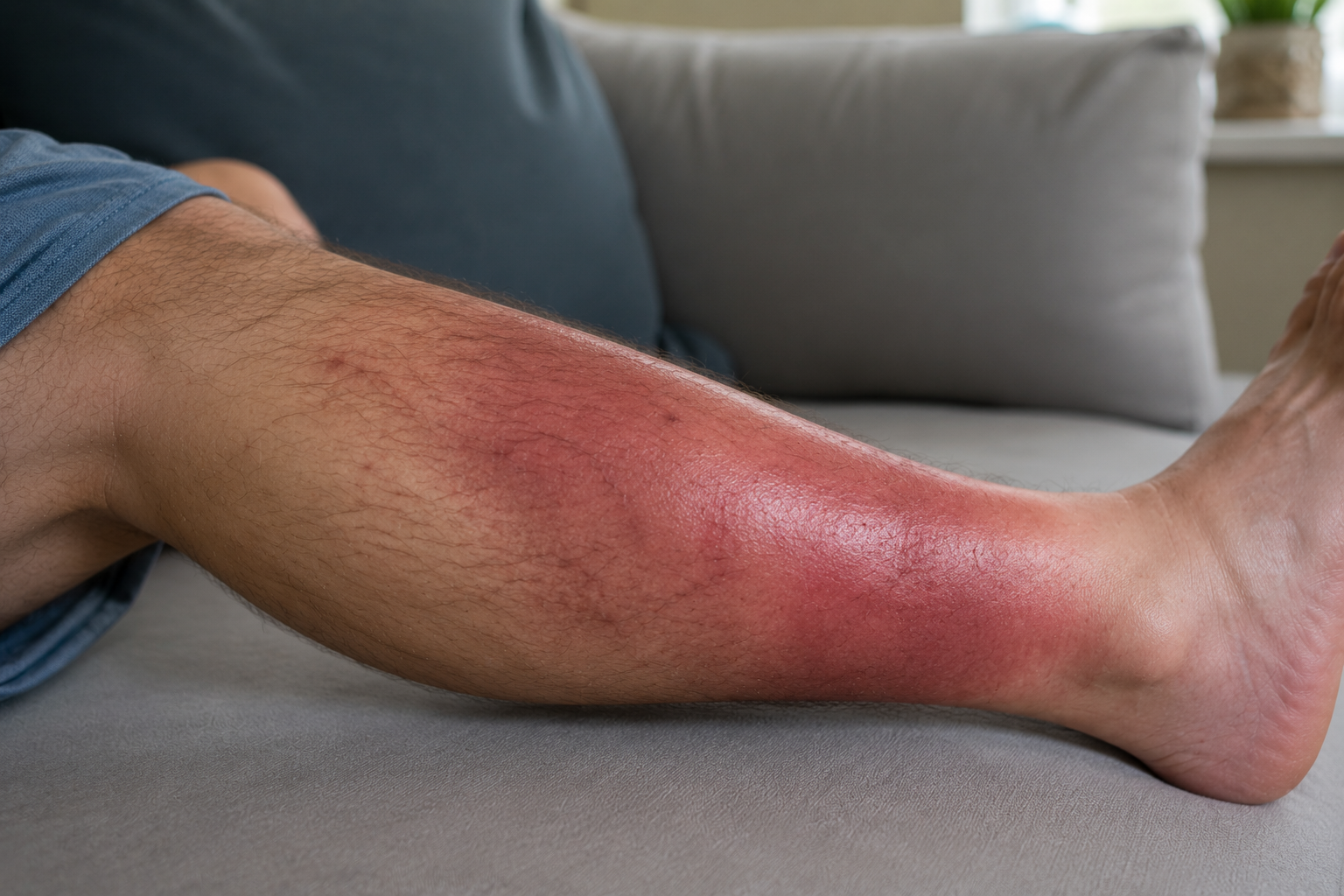
Cellulitis Symptoms: What to Watch For Before It Spreads
Skin that's red, warm, and spreading fast could be a sign of cellulitis. Learn the early symptoms to watch for and when it's time to see a doctor.
Sep 2, 2026
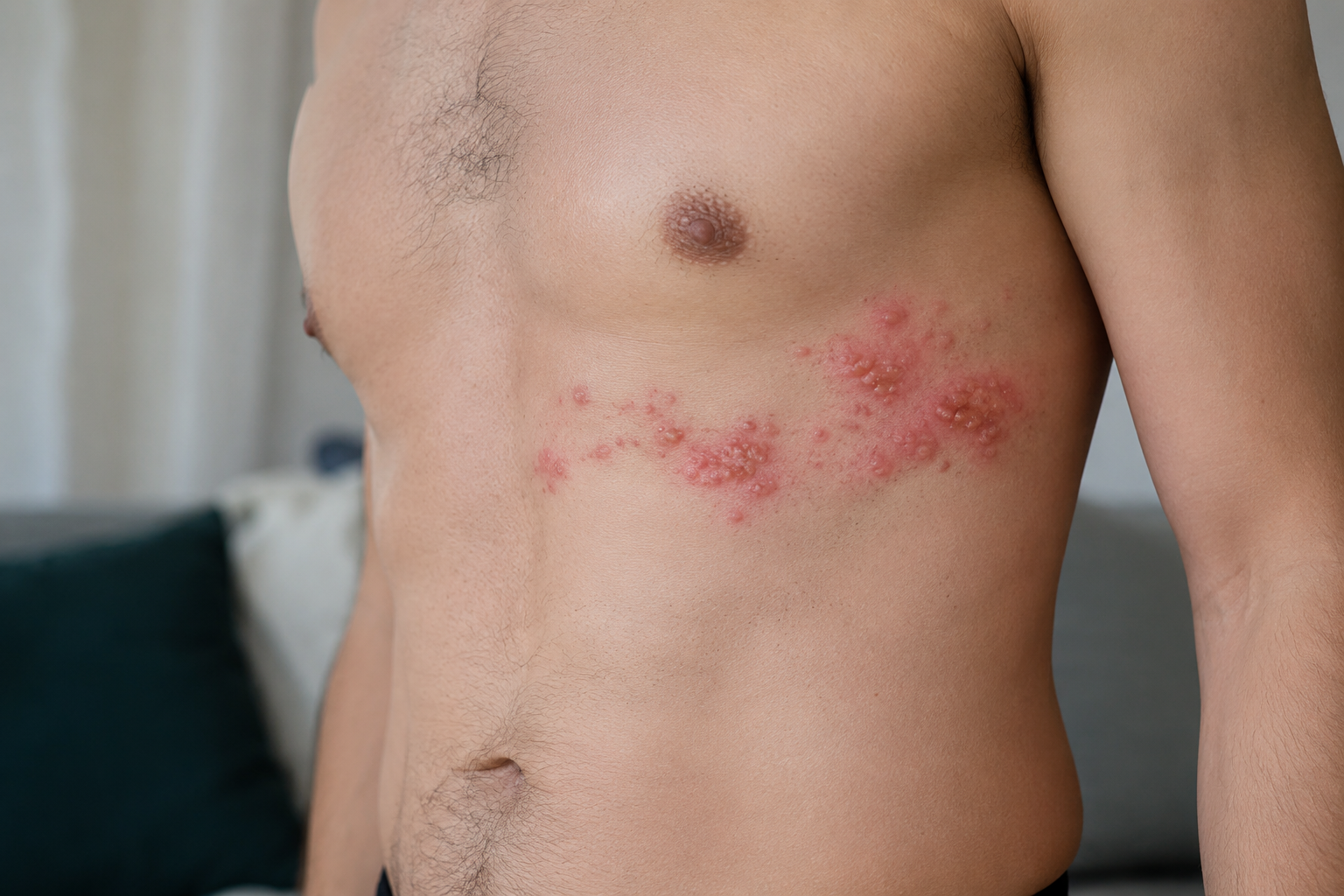
Recognize the Early Signs of Shingles Before It Gets Worse
Shingles often starts before any rash appears. Learn the early symptoms to watch for and why getting treated fast makes a real difference.
Sep 2, 2026
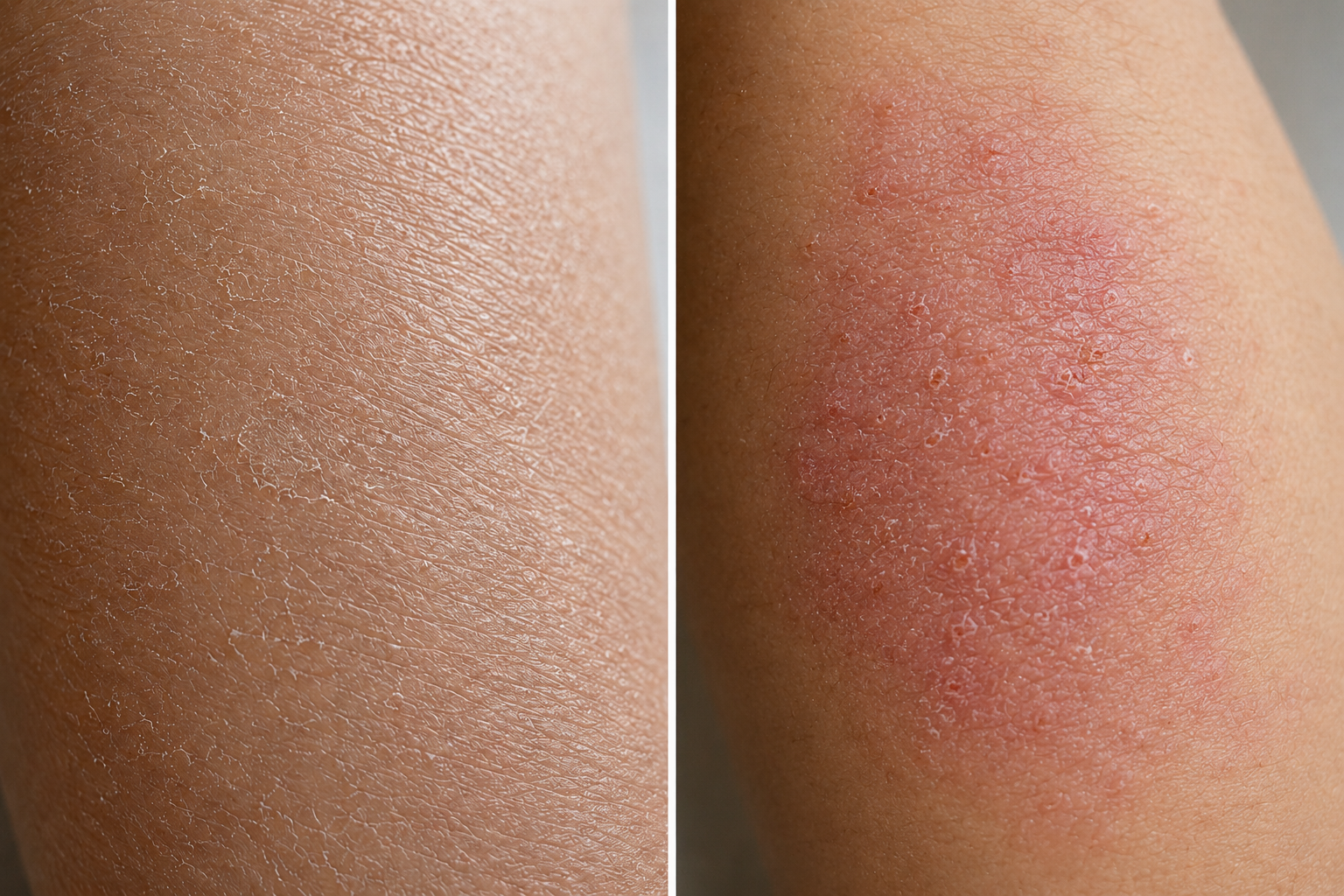
Dry Skin or Eczema? How to Tell the Difference
Wondering if that itchy patch is just dry skin or something more like eczema? Here's how to tell the difference, and when it's time to see a doctor or get a referral to a dermatologist.
Ready to speak with a board-certified physician?
Get expert care from the comfort of your home — no insurance required.