
Cellulitis Symptoms: What to Watch For Before It Spreads
Skin that's red, warm, and spreading fast could be a sign of cellulitis. Learn the early symptoms to watch for and when it's time to see a doctor.
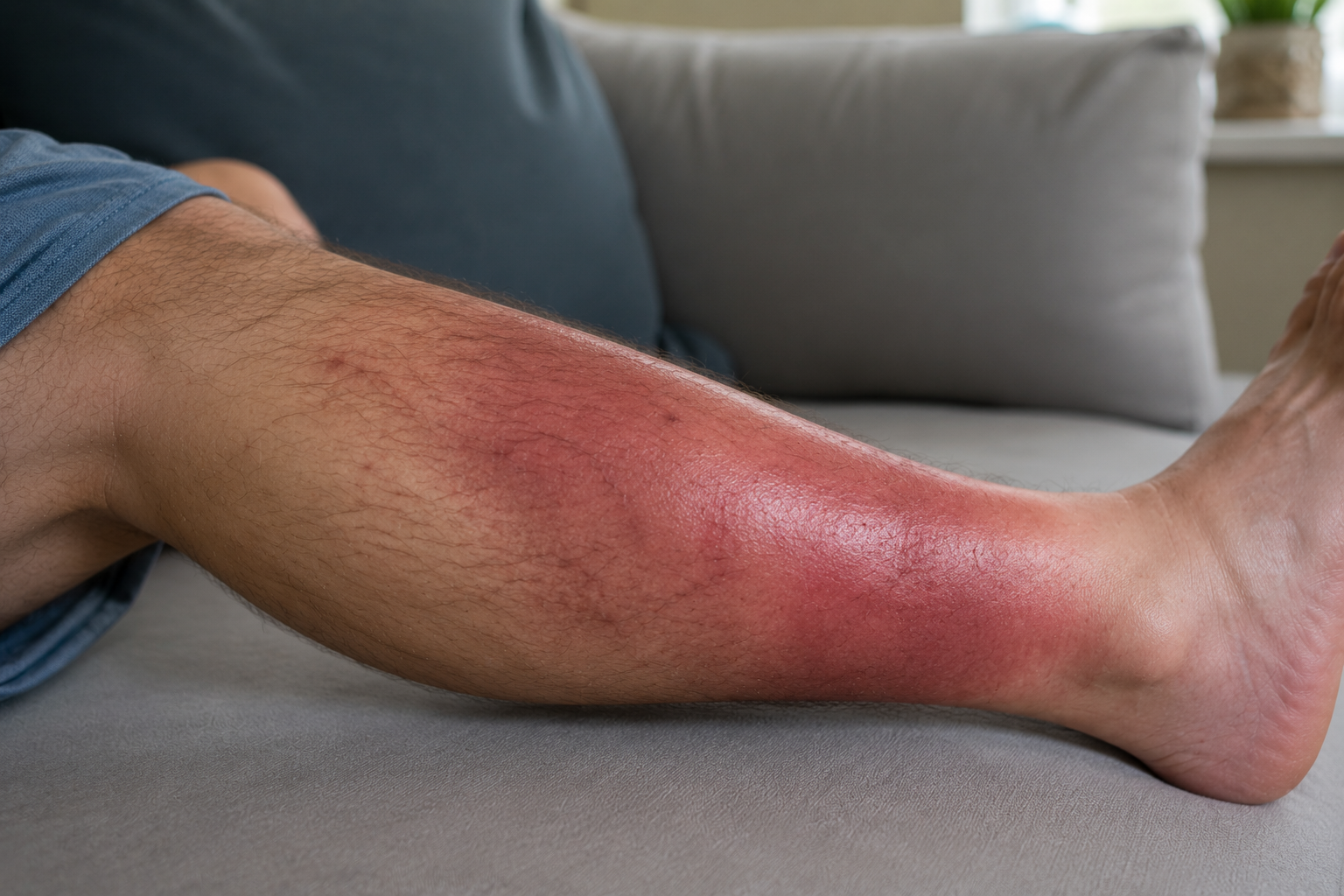
The skin around your ankle has become increasingly red, swollen, and warm since yesterday. You don't remember twisting it or injuring it, but the way the redness seems to be spreading feels different from a typical sore spot or minor scrape.
This article explains what cellulitis is, the symptoms to watch for, what causes it, how it's treated, and when it's important to seek medical care rather than waiting to see if it improves on its own.
What Is Cellulitis?
Cellulitis is a common bacterial skin infection that affects the deeper layers of the skin and the underlying tissues. Unlike a superficial skin condition, it extends beyond the outer layer, which is why it can cause more swelling, redness, and discomfort than many people expect.
The infection usually develops when bacteria enter through a break in the skin, such as a cut, scrape, insect bite, or even a tiny puncture you don't remember getting. Once inside, the bacteria can spread quickly through the surrounding tissue, making early diagnosis and treatment important.
Although this infection can occur anywhere on the body, it most often affects the lower legs. It also commonly develops on the hands, particularly after a cut, scrape, or other minor skin injury that wasn't properly cleaned.
Early Symptoms of Cellulitis to Watch For
Signs of cellulitis often start subtly and then build over a day or two. Common things people notice include:
Redness that spreads or expands over time
Swollen skin that feels warm to the touch
Pain or tenderness in the affected area
Skin that looks tight or shiny
The spreading pattern is one of the clearest signs something is going on. Cellulitis tends to keep expanding day by day rather than staying the same size, and the warmth over the area is usually noticeable compared to the skin around it.
In some cases, cellulitis may also come with systemic symptoms like fever, chills, or general fatigue. These signs may indicate that the infection is becoming more widespread, making it important to seek medical attention promptly rather than waiting to see if it improves on its own.
What Causes Cellulitis?
The most common bacteria behind cellulitis are Staph and Group A Strep, both of which normally live on the skin without causing any problems. The trouble starts when they get past the skin's natural barrier through a break in the skin, whether that's a cut, a bug bite, dry cracked skin, or a wound from a recent injury.
Certain factors make it easier to get cellulitis. People with diabetes or poor circulation face a higher risk, since both conditions can affect how well the body fights off infection and heals wounds. A weakened immune system, chronic skin conditions like eczema, and even skin that's already irritated or swollen from another issue can all raise the risk factors for developing cellulitis.
It's worth noting that cellulitis isn't contagious in the way a cold is. You can't catch cellulitis through casual contact with someone who has it. Instead, it develops when bacteria that normally live on your skin enter through a break in the skin and cause an infection.
Diagnosis and Treatment for Cellulitis
To diagnose cellulitis, a doctor typically examines the affected skin, asks about your medical history, and checks for signs of infection like warmth, swelling, and spreading redness. In most cases, cellulitis can be diagnosed based on how the skin looks and feels, without needing additional testing.
Treatment for cellulitis usually involves oral antibiotics taken for a week to ten days, depending on how the infection responds. Most people start feeling better within a couple of days of starting antibiotics, though it's important to finish the entire course even if the swelling and redness improve early on. Mild cellulitis often clears up well with this approach.
Because cellulitis can spread if it isn't treated early, many people find it easier to get evaluated through a telehealth visit rather than waiting for an in person appointment to open up. A doctor can review photos of the affected area, ask about your symptoms, and, in many straightforward cases, prescribe antibiotics the same day. This can be especially helpful if you're unsure whether your symptoms require prompt treatment or can safely be monitored at home.
Possible Complications If Cellulitis Is Left Untreated
Most cases of cellulitis respond well to antibiotics and clear up without lasting issues. That said, complications of cellulitis can happen if treatment is delayed. The infection can spread quickly into the bloodstream, leading to a serious condition called sepsis, which requires urgent medical care.
In rare cases, an untreated skin infection can progress into necrotizing fasciitis, a much more severe infection that affects deeper tissues and spreads aggressively. This is uncommon, but it's part of why doctors take cellulitis seriously and recommend treating it early rather than waiting to see if it resolves on its own.
People who experience repeated episodes of cellulitis, especially in the same area, should mention this pattern to their doctor. Recurring infections can sometimes be a sign of an underlying problem, such as poor circulation, chronic swelling, or a skin condition that damages the skin barrier. Identifying and treating the underlying cause can help reduce the risk of future episodes.
If you notice swelling that's spreading, skin that's increasingly warm or painful, or you start to feel feverish or unwell alongside the skin changes, it's worth reaching out to a doctor the same day rather than waiting. Treating cellulitis early almost always means a faster, easier recovery.
This blog is for informational purposes only and is not a substitute for professional medical advice, diagnosis, or treatment. Always consult your doctor or a qualified healthcare provider with any questions you may have regarding a medical condition.
More Articles
Related Reading
Sep 2, 2026
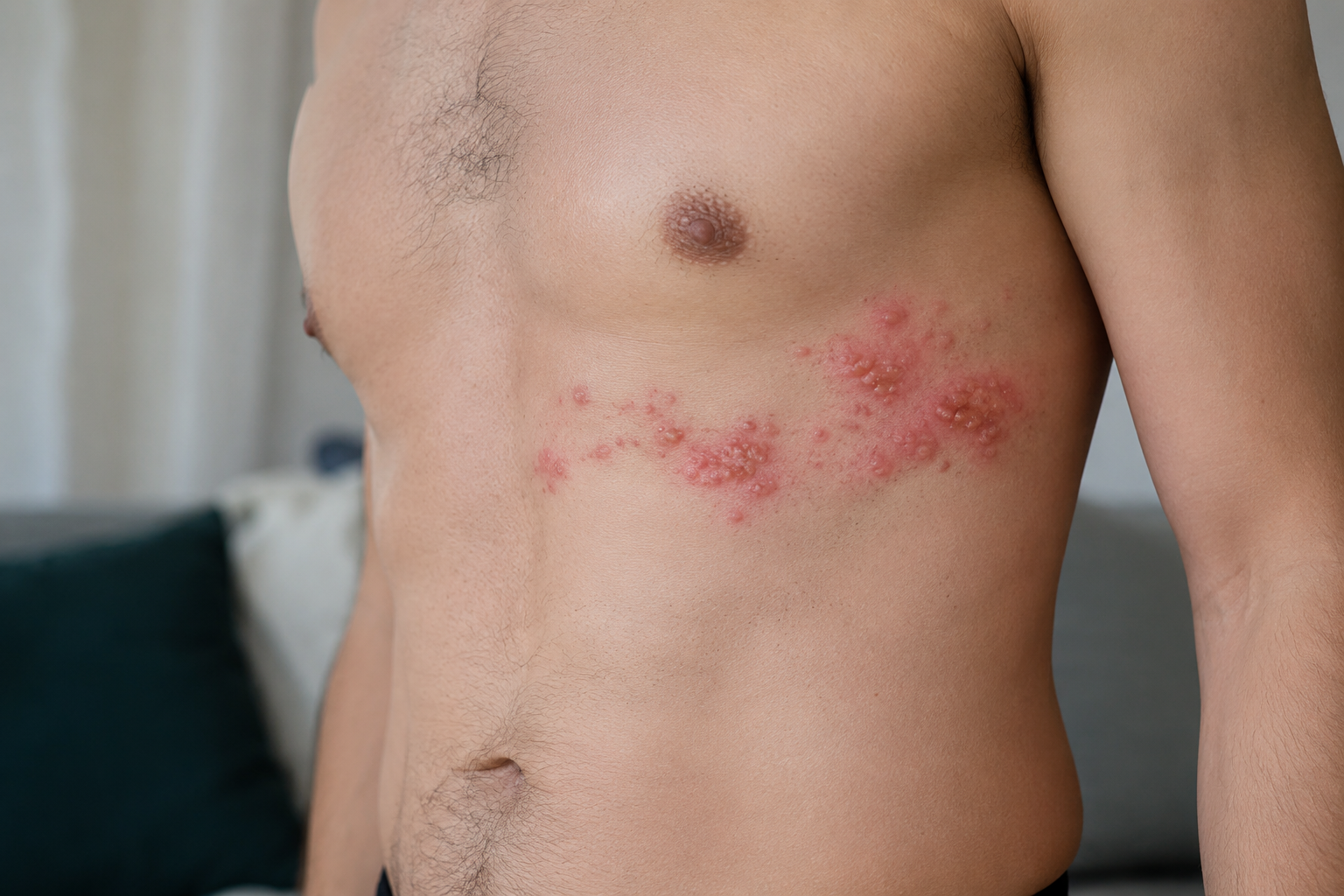
Recognize the Early Signs of Shingles Before It Gets Worse
Shingles often starts before any rash appears. Learn the early symptoms to watch for and why getting treated fast makes a real difference.

Sep 2, 2026
Breaking Out in Hives? Here's What's Actually Causing It
Woke up covered in itchy welts with no idea why? Learn what causes hives, how to find relief, and when it's time to call a doctor.
Sep 2, 2026
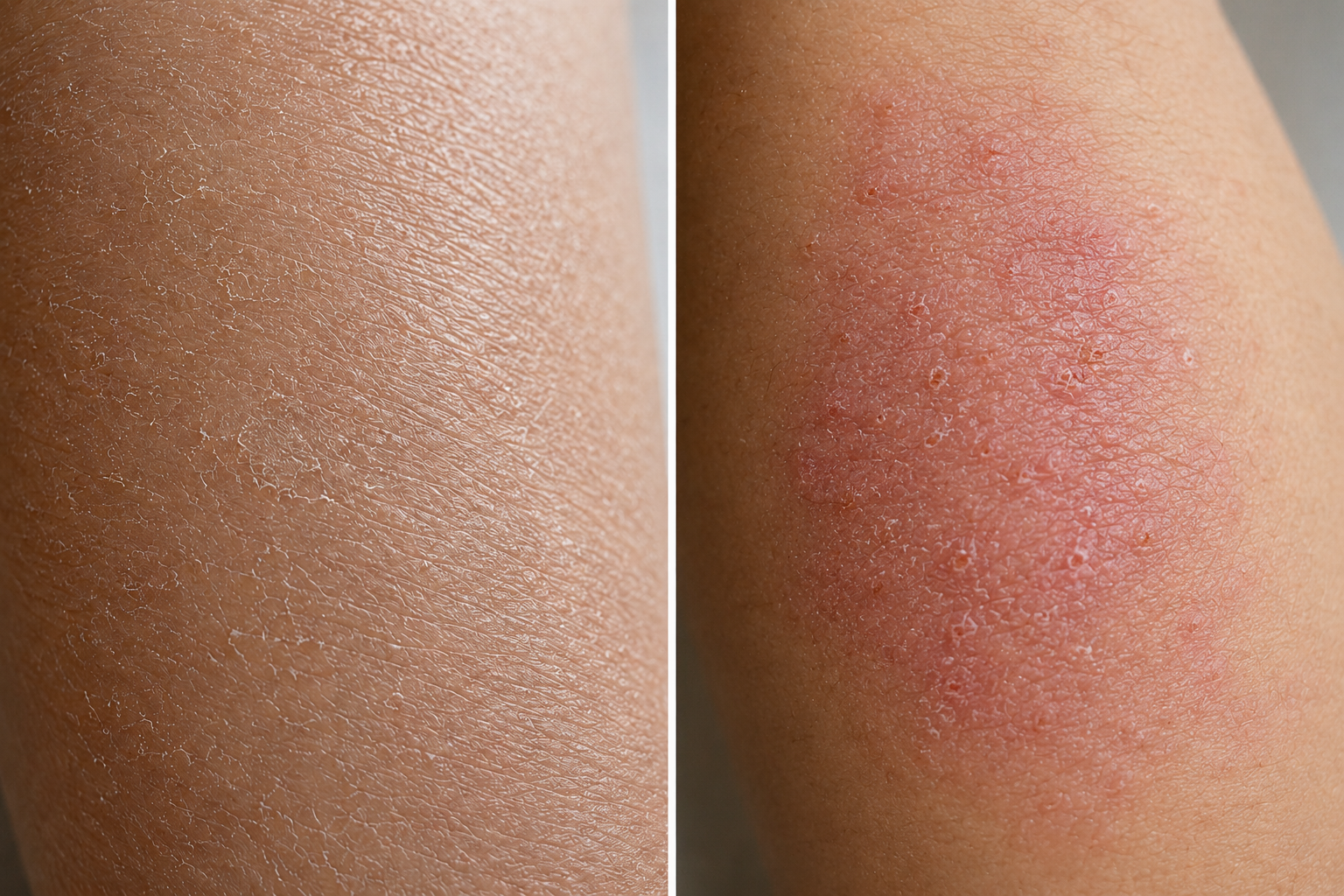
Dry Skin or Eczema? How to Tell the Difference
Wondering if that itchy patch is just dry skin or something more like eczema? Here's how to tell the difference, and when it's time to see a doctor or get a referral to a dermatologist.
Ready to speak with a board-certified physician?
Get expert care from the comfort of your home — no insurance required.