
Dry Skin or Eczema? How to Tell the Difference
Wondering if that itchy patch is just dry skin or something more like eczema? Here's how to tell the difference, and when it's time to see a doctor or get a referral to a dermatologist.
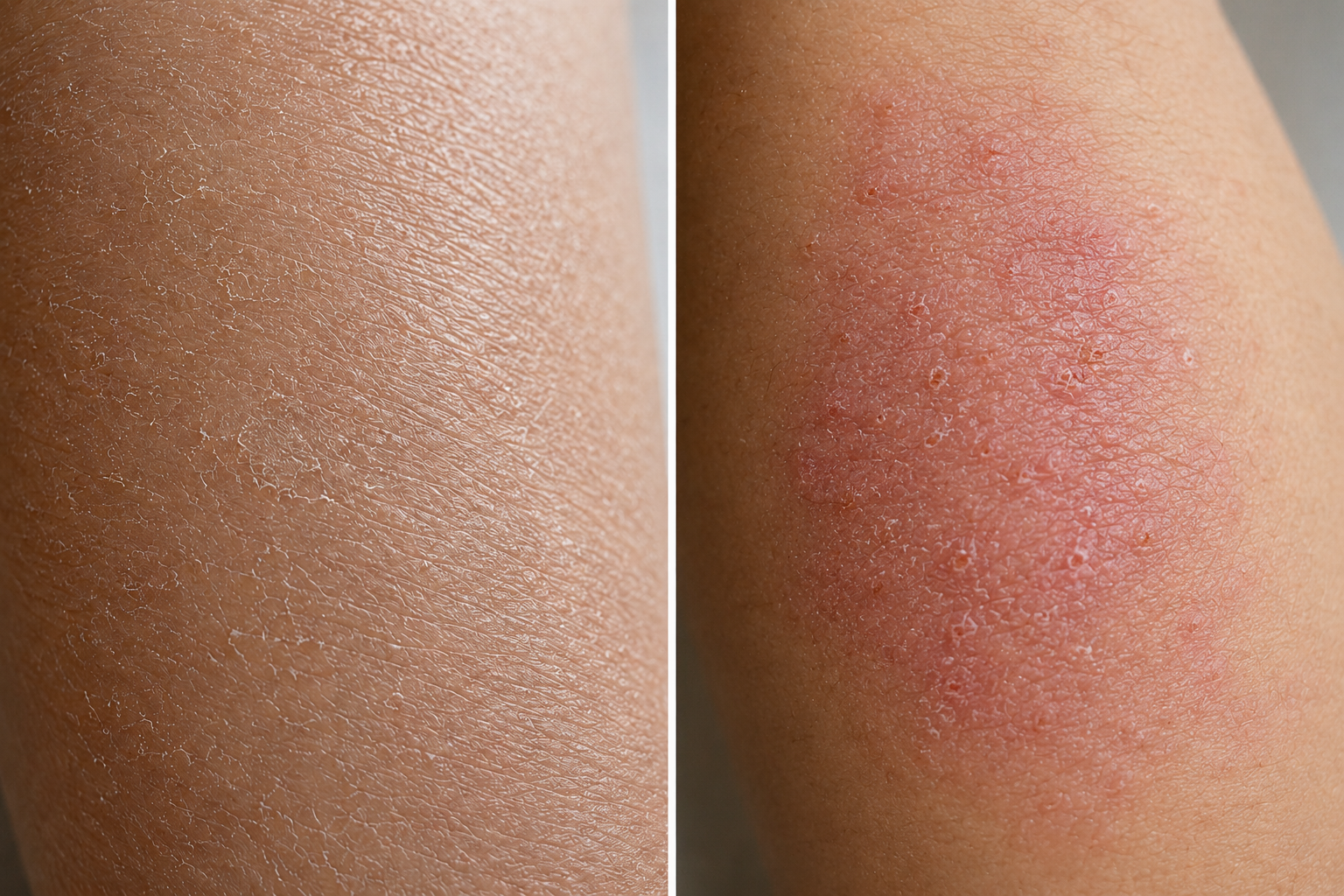
Your hands have felt rough and tight for weeks now, especially after you wash dishes or step out of a hot shower. You've tried a few lotions from the drugstore, but the itching keeps coming back, and now there's a patch on your wrist that looks a little red and it’s not improving. You start to wonder if this is just typical dry skin, or if it's something more.
It's a common question, and one that comes up a lot during the colder months or after a change in soap or skincare routine. Dry skin and eczema can appear similar, but they have different causes and often require different approaches to treatment.
What Does Typical Dry Skin Look Like?
Dry skin happens when your skin loses moisture faster than it can replace it. This is often tied to dry air, hot showers, harsh soaps, or simply getting older, since skin naturally produces less oil over time. You might notice your skin feels tight, looks slightly flaky, or has a dull, rough texture in certain areas like your hands, elbows, or shins.
The good news is that dry skin usually responds well to a few simple changes. Switching to a gentler cleanser, moisturizing while your skin is still damp, and avoiding very hot water can often clear it up within a week or two. If your skin bounces back once you adjust your skin care routine, that's a sign you're dealing with regular dryness rather than an underlying skin condition.
What Are the Symptoms of Eczema?
Eczema, also known as atopic dermatitis, is a different kind of skin condition. It's not just about moisture loss. Eczema is an inflammatory skin condition that causes the skin barrier to become more reactive, which means it can flare up even when you're doing everything right with your skin care.
Some signs that point toward eczema rather than plain dryness include:
Skin that's intensely itchy, sometimes before any visible rash appears
Patches of skin that look red, swollen, or scaly
Areas that crack, weep, or thicken with repeated scratching
Flare-ups that come and go, often in the same spots like the inside of elbows, behind the knees, or on the hands
A family history of allergies, asthma, or eczema
According to the American Academy of Dermatology, eczema often shows up in early childhood but can also appear or persist into adulthood, and it tends to run in families alongside other allergic conditions.
Eczema and Dry Skin: What's the Real Difference?
The easiest way to tell the difference is to pay attention to how your skin responds and how it feels. Dry skin tends to feel tight and look flaky, but it's rarely unbearably itchy, and it usually improves quickly once you moisturize consistently. Eczema, on the other hand, tends to be itchy first, with the appearance of your skin changing afterward from scratching or inflammation.
Another clue is persistence. Regular dryness comes and goes with the seasons or your habits. Eczema flares tend to repeat in the same areas over time, even when your skin care routine hasn't changed much. If moisturizer alone isn't helping, or if the itching is intense enough to disrupt your sleep, that's worth paying attention to.
What Triggers Eczema Flare-Ups?
Eczema can be triggered by a wide range of things, and triggers tend to be personal, meaning what affects one person might not affect the other. Common triggers include:
Harsh soaps, fragrances, or skincare ingredients
Certain fabrics, like wool, rubbing against the skin
Stress or sudden temperature changes
Allergens such as pollen, pet dander, or dust
Sweat, especially after exercise
Identifying your personal triggers can take some trial and error, but the National Eczema Association notes that small adjustments, like switching to fragrance-free products or managing stress, can reduce how often flares happen.
When Should You See a Doctor?
If basic skin care and moisturizing haven't made a difference after a couple of weeks, or if the itching and irritation are getting in the way of your daily life, it may be time to see a doctor or a dermatologist. This is especially true if you notice the skin cracking, becoming infected, or if flare-ups keep returning in the same spots.
A dermatologist can diagnose eczema and rule out other skin conditions, then recommend treatments beyond over-the-counter moisturizers if needed. Early treatment can also help prevent eczema from becoming more severe or harder to manage down the road. Telehealth appointments can be a convenient first step, as a healthcare provider can often evaluate visible skin changes through photos or video, recommend appropriate treatment, or refer you to a dermatologist if further evaluation is needed—all without requiring an in-person visit right away.
Your skin tells you a lot about what's going on inside and outside your body. Whether it's typical dryness from winter air or something more like eczema, paying attention to how your skin looks and feels is the first step toward figuring out the right care for you.
This blog is for informational purposes only and is not a substitute for professional medical advice, diagnosis, or treatment. Always consult your doctor or a qualified healthcare provider with any questions you may have regarding a medical condition.
More Articles
Related Reading
Sep 2, 2026
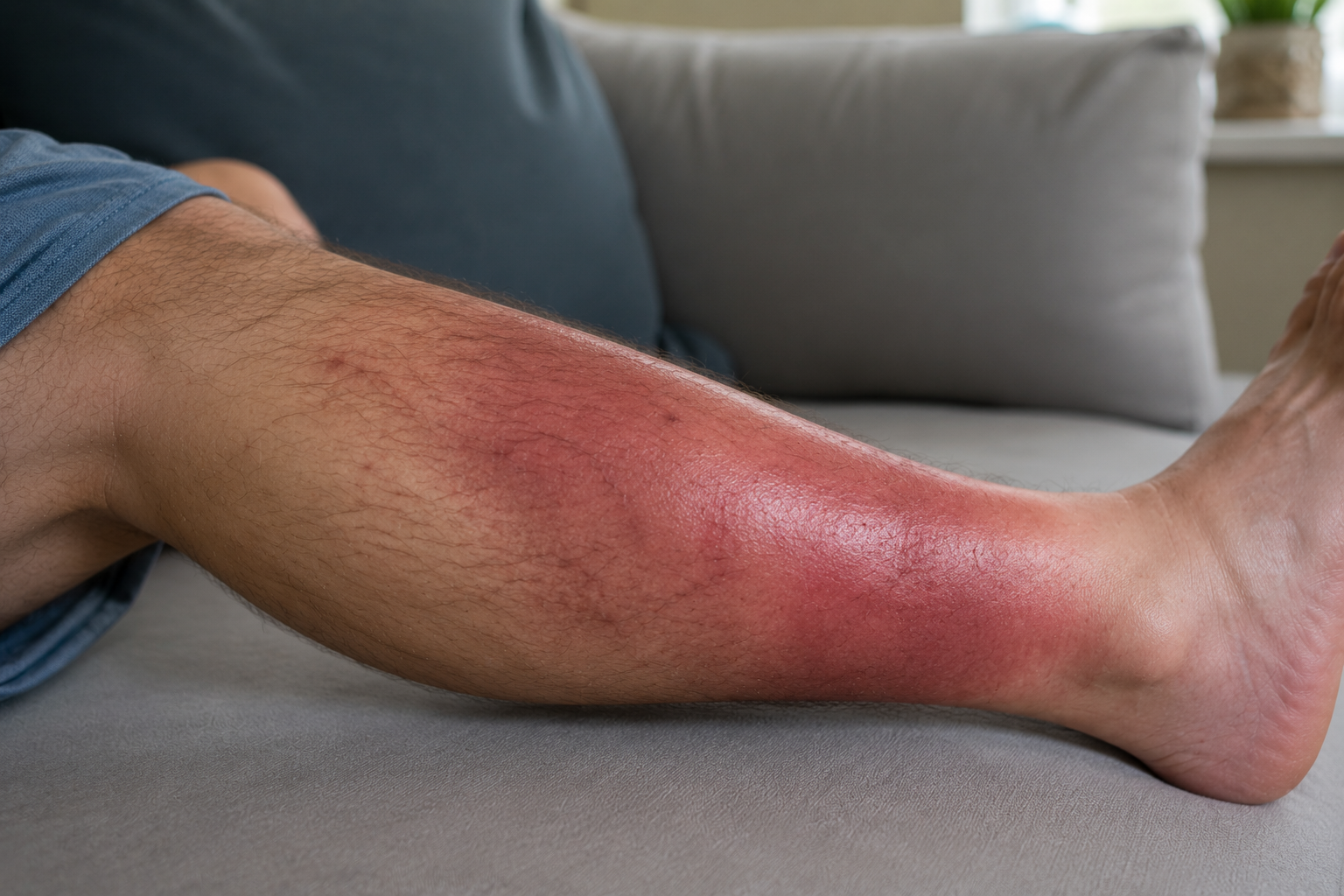
Cellulitis Symptoms: What to Watch For Before It Spreads
Skin that's red, warm, and spreading fast could be a sign of cellulitis. Learn the early symptoms to watch for and when it's time to see a doctor.
Sep 2, 2026
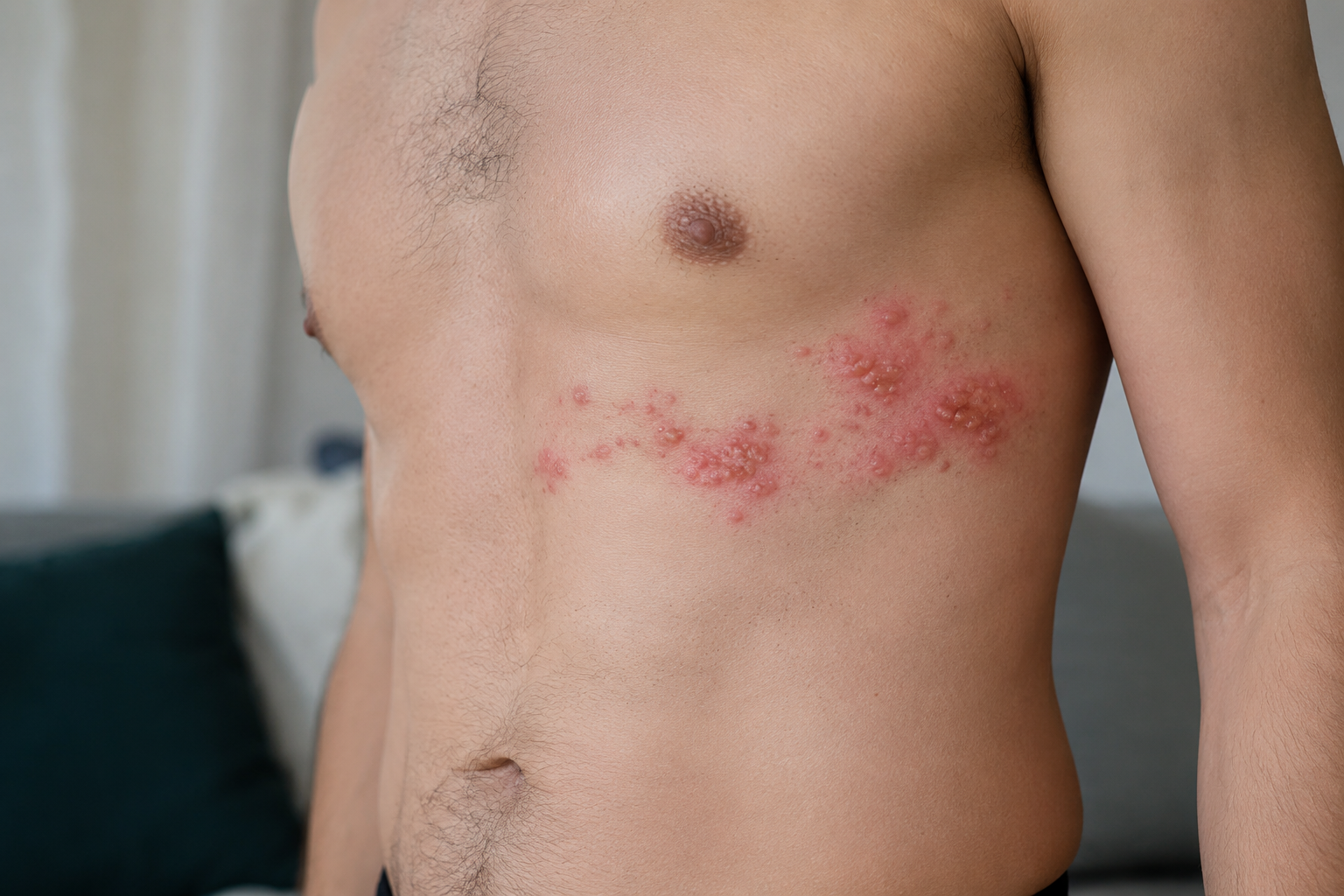
Recognize the Early Signs of Shingles Before It Gets Worse
Shingles often starts before any rash appears. Learn the early symptoms to watch for and why getting treated fast makes a real difference.

Sep 2, 2026
Breaking Out in Hives? Here's What's Actually Causing It
Woke up covered in itchy welts with no idea why? Learn what causes hives, how to find relief, and when it's time to call a doctor.
Ready to speak with a board-certified physician?
Get expert care from the comfort of your home — no insurance required.