
Recognize the Early Signs of Shingles Before It Gets Worse
Shingles often starts before any rash appears. Learn the early symptoms to watch for and why getting treated fast makes a real difference.
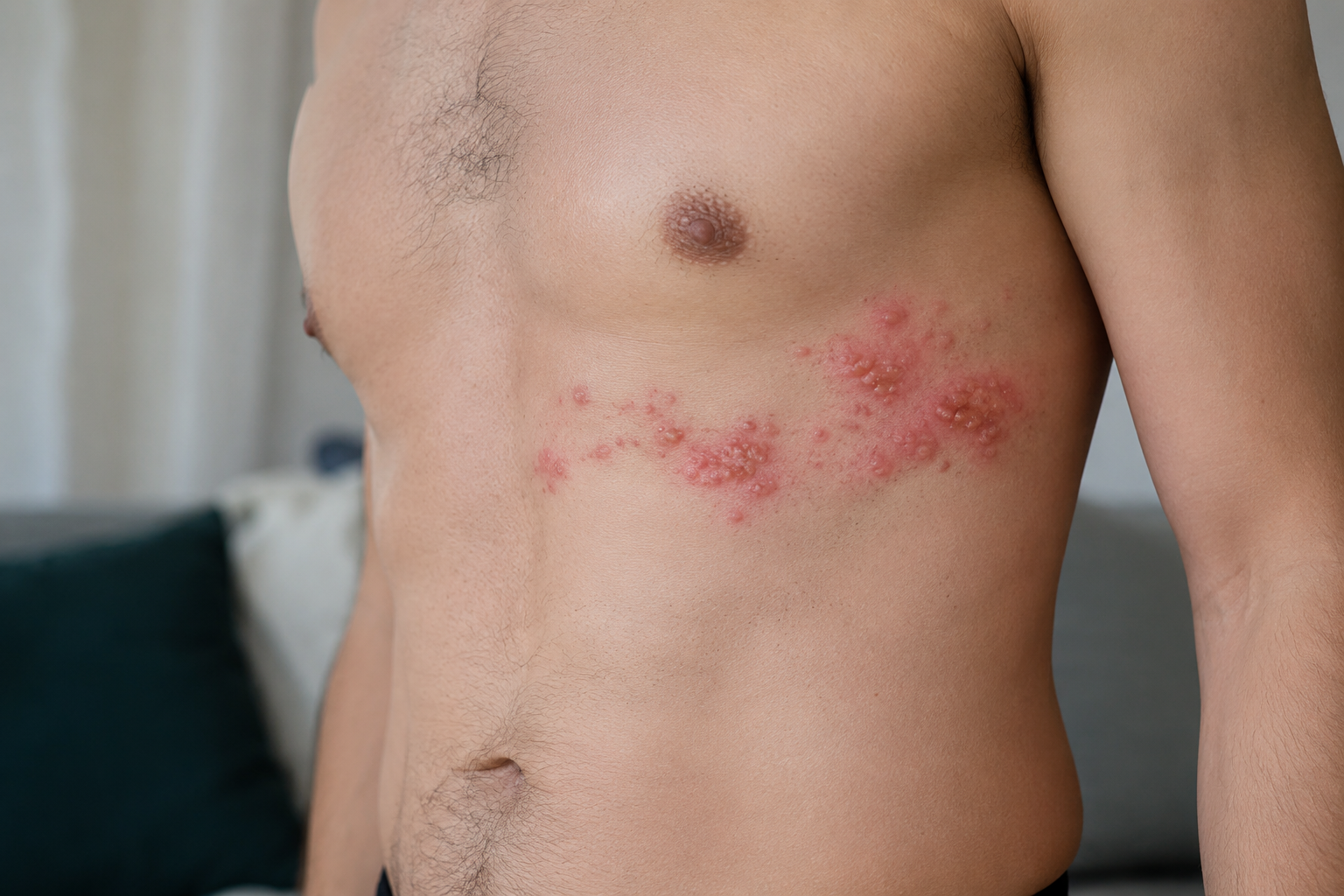
The skin on one side of your ribcage has been tingling for two days now, almost like a sunburn that never happened. You haven't bumped into anything, and there's nothing to see yet, but something feels off enough that you can't stop noticing it.
This article covers the early signs of shingles, how the rash typically progresses, why timing matters so much for treatment, and when it's time to reach out to a doctor.
What Is Shingles?
Shingles, also known as herpes zoster, is caused by the varicella-zoster virus, the same virus that causes chickenpox. After you recover from chickenpox, the virus doesn't leave your body. It stays inactive in your nerve tissue for years, sometimes decades, before reactivating later in life as shingles.
Nobody fully understands why the virus reactivates in some people and not others, but a weakened immune system, high stress, and getting older are all known to increase your risk of shingles. This is part of why shingles is so common in older adults, though people of any age who have had chickenpox can develop shingles.
What Are the Early Symptoms of Shingles?
Recognizing the early signs of shingles can make a real difference in how the illness plays out. Before any rash appears, many people notice:
Tingling, burning, or itching in a specific area of skin
Sensitivity to touch, where even light clothing feels uncomfortable
Shingles pain that can range from mild to sharp and stabbing
Flu-like symptoms such as fatigue, headache, or a low fever
One of the most recognizable early shingles symptoms is that these sensations tend to show up on just one side of the body, often wrapping around the torso, face, or one side of the face. This one sided pattern happens because the virus travels along a single nerve pathway, and it's one of the clearest signs of a shingles outbreak versus other skin issues.
This early stage, sometimes called the prodrome, can last anywhere from one to five days before a visible rash actually develops. It's easy to mistake it for a pulled muscle or a skin irritation, which is part of why so many people miss the connection until the rash appears.
How Does the Shingles Rash Progress?
Once the shingles rash develops, it usually looks similar to a chickenpox rash at first, red and somewhat raised. Within a day or two, it typically turns into clusters of fluid filled blisters that continue to form over the following several days.
The progression of shingles generally follows a pattern. The blisters fill, then start to dry out and crust over, and the rash usually heals within 7 to 10 days, though the entire process can take two to four weeks from start to finish. Itching alongside the pain is common during this stage.
If the rash appears near the eye, sometimes called ophthalmic shingles, that needs prompt medical care, since it can affect vision if left untreated. Any rash near the eye is worth same day medical attention rather than waiting to see how it progresses.
Is Shingles Contagious?
Shingles itself doesn't spread from person to person the way a cold does, but the virus inside the blisters can still spread. Someone who has never had chickenpox, or hasn't had the chickenpox vaccine, could catch the varicella-zoster virus from contact with an active shingles rash and develop chickenpox, not shingles, as a result.
Once the blisters have crusted over completely, the risk of spreading the virus goes away. Until then, it's a good idea to keep the rash covered and avoid contact with anyone who is pregnant, has a weakened immune system, or hasn't had chickenpox or the vaccine.
Why Does Early Treatment Matter So Much
This is the part that makes shingles different from a lot of other skin conditions. Antiviral medication works best when started within the first 72 hours after the rash appears. Waiting even a few extra days can mean the difference between a shorter, milder case and a longer recovery with more complications.
A health care provider can diagnose shingles based on the appearance and location of the rash, often without needing additional testing. Because timing is so important, a telehealth visit can be a practical way to get evaluated quickly, especially if you suspect shingles but can't get an in person appointment within that critical window. A provider can review your symptoms, confirm whether treatment is appropriate, and get you started the same day if needed.
One common complication of shingles is postherpetic neuralgia, a type of nerve pain that persists even after the rash goes away, sometimes for months or years after the rash heals. Early treatment can help reduce both the severity of the initial outbreak and your risk of developing this lingering pain afterward.
The shingles vaccine is currently recommended for healthy adults 50 years and older, and it offers strong protection against shingles and its complications, including postherpetic neuralgia. If you're in that age range and haven't discussed it with your doctor yet, it's worth bringing up at your next visit. Shingles can be painful and unpredictable, but treatment can help shorten the course of the illness and lower your risk of complications. The sooner it's recognized, the better the outcome tends to be.
This blog is for informational purposes only and is not a substitute for professional medical advice, diagnosis, or treatment. Always consult your doctor or a qualified healthcare provider with any questions you may have regarding a medical condition.
More Articles
Related Reading
Sep 2, 2026
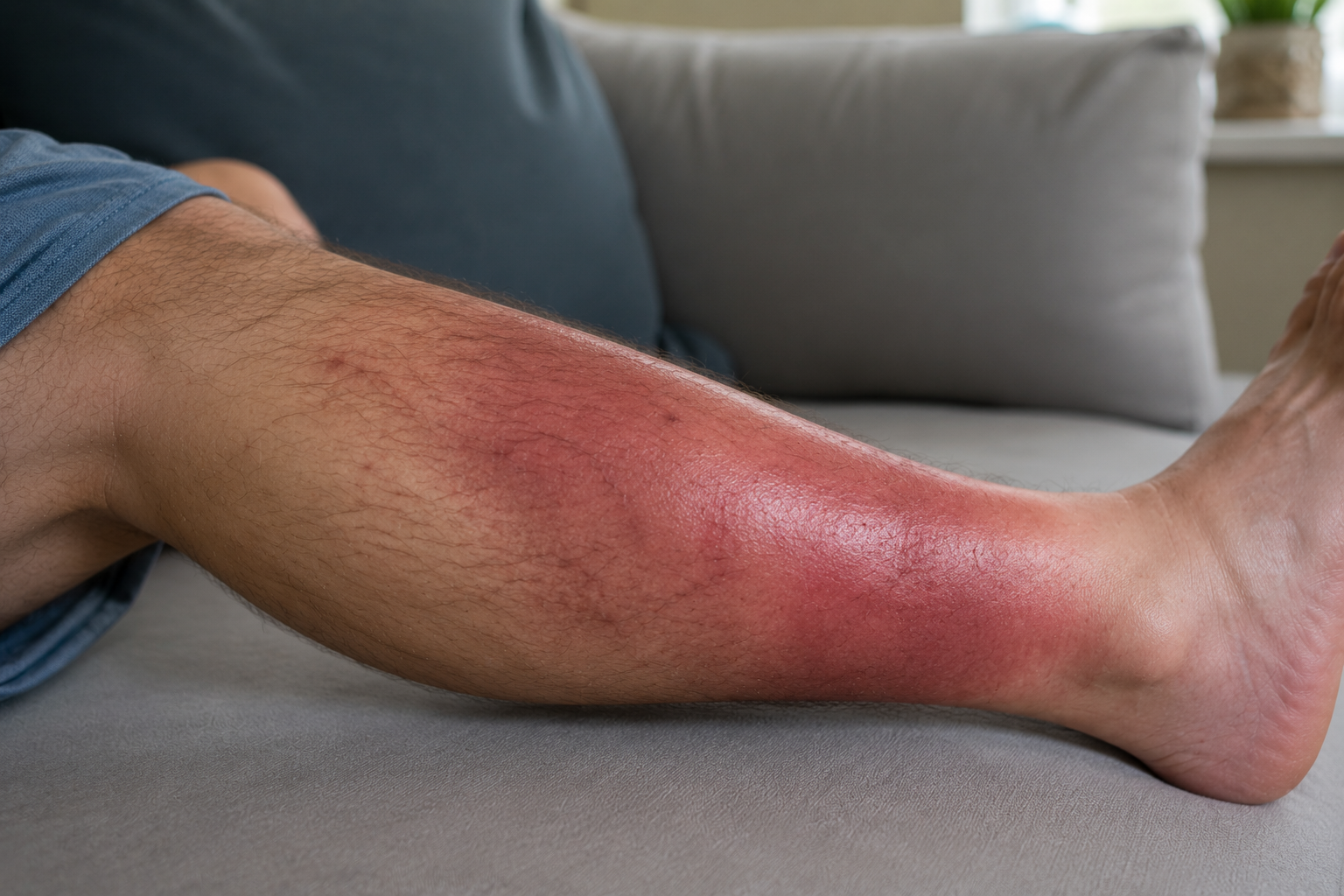
Cellulitis Symptoms: What to Watch For Before It Spreads
Skin that's red, warm, and spreading fast could be a sign of cellulitis. Learn the early symptoms to watch for and when it's time to see a doctor.

Sep 2, 2026
Breaking Out in Hives? Here's What's Actually Causing It
Woke up covered in itchy welts with no idea why? Learn what causes hives, how to find relief, and when it's time to call a doctor.
Sep 2, 2026
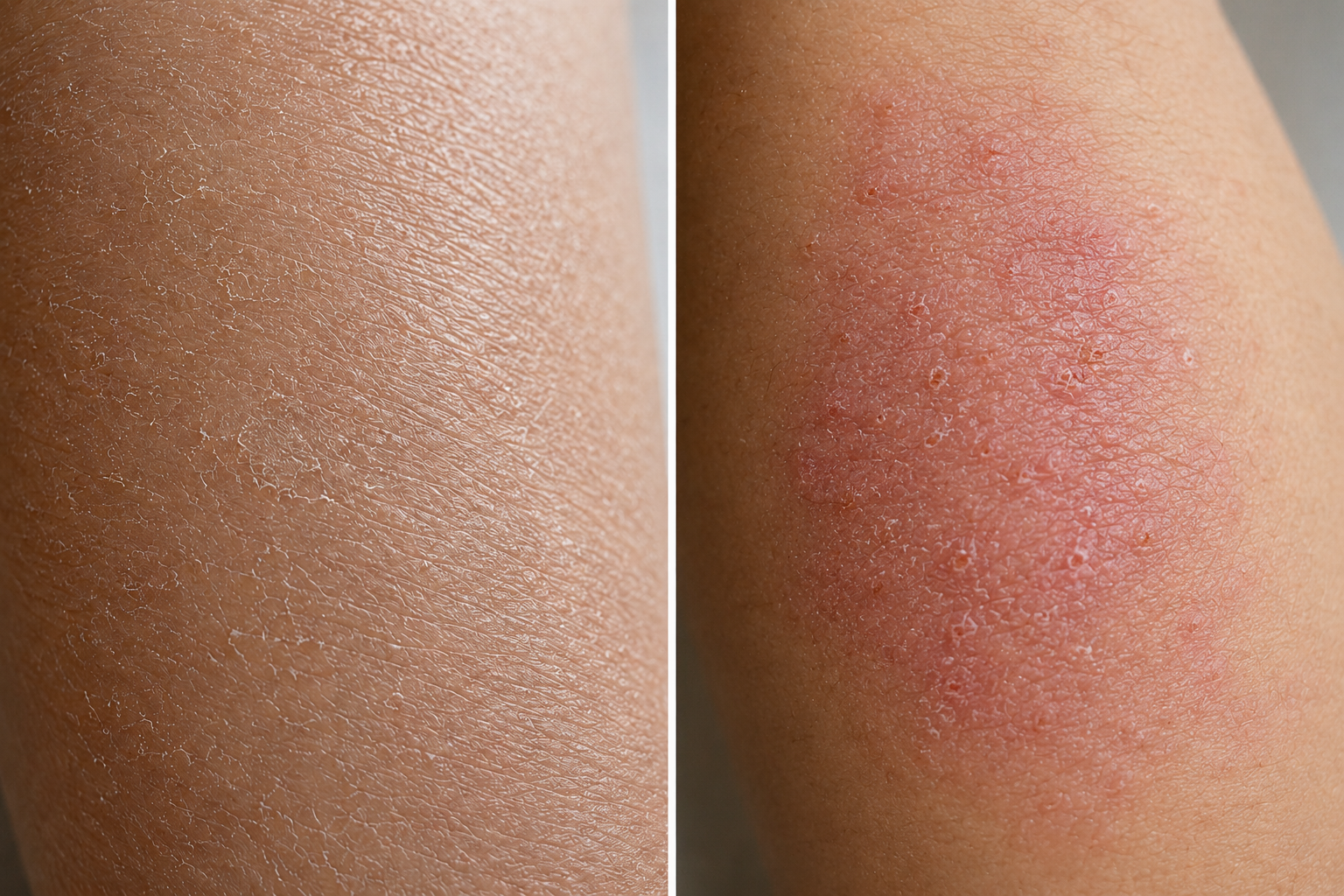
Dry Skin or Eczema? How to Tell the Difference
Wondering if that itchy patch is just dry skin or something more like eczema? Here's how to tell the difference, and when it's time to see a doctor or get a referral to a dermatologist.
Ready to speak with a board-certified physician?
Get expert care from the comfort of your home — no insurance required.