
How to Tell When a Rash Needs Medical Attention
You noticed a patch of red, itchy skin a couple of days ago and you've been keeping an eye on it since, not quite sure if it's something to brush off or something worth getting checked.
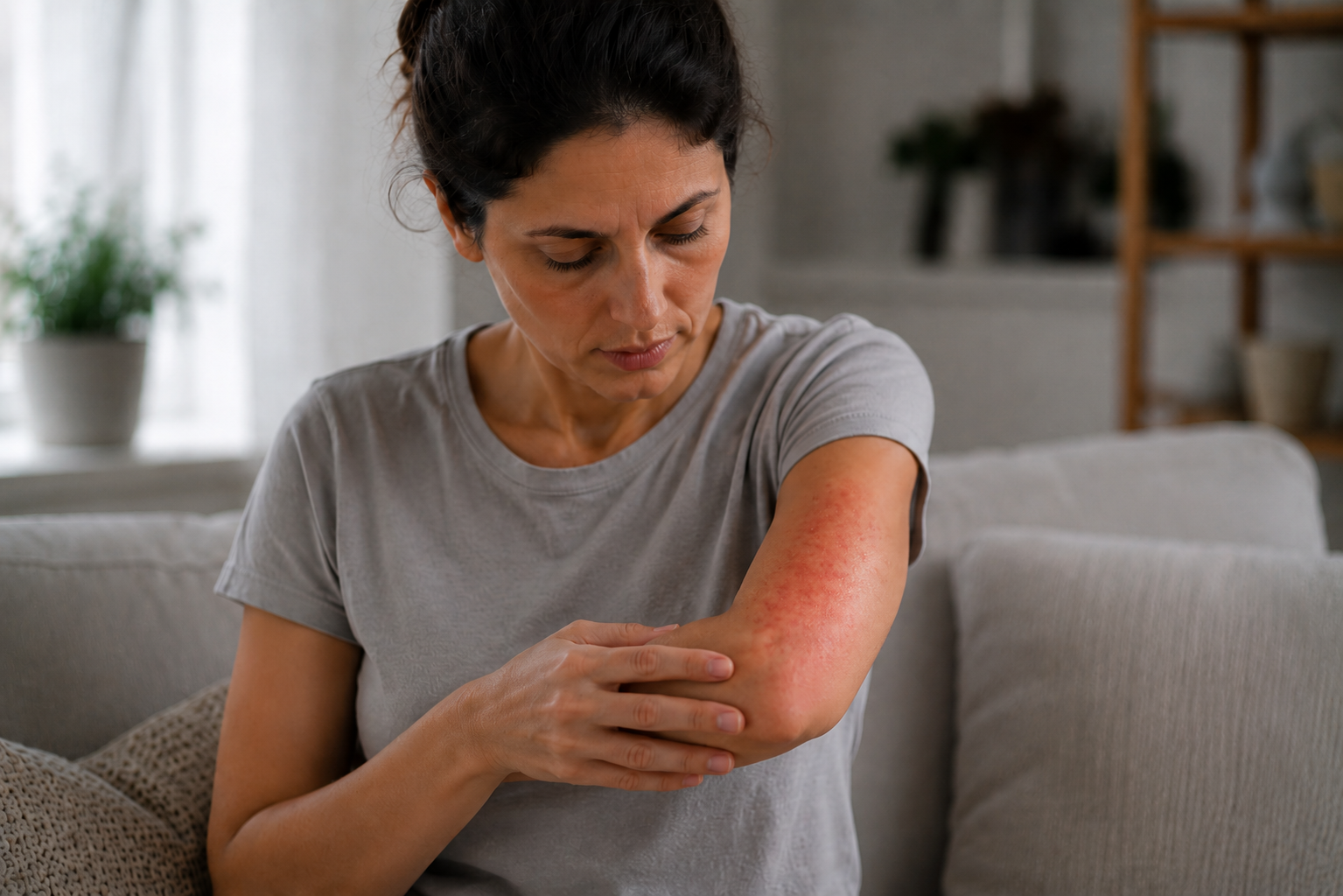
You noticed a patch of red, itchy skin a couple of days ago and you've been keeping an eye on it since, not quite sure if it's something to brush off or something worth getting checked.
This article covers common skin rashes, what you can try at home, how to tell when a rash needs medical attention, and when it's time to see a dermatologist or primary care provider.
What Are Common Causes of a Rash?
A rash can be caused by various factors, which is part of what makes them tricky to figure out on your own. Itchy red rash causes in adults often include allergic reactions, irritation from a new soap or detergent, contact with something like poison ivy, or a flare of a chronic skin condition like eczema.
Common skin rashes in adults also include things like hives, which appear as raised, itchy welts that can come and go quickly, and contact dermatitis, which shows up as redness and irritation wherever your skin touches a trigger. Heat, friction, certain medications, and stress can all play a role too. Many mild rashes are harmless and resolve on their own once the trigger is removed or avoided.
What Can You Do for a Rash at Home?
For a lot of rashes, simple home care is genuinely effective and a reasonable first step before reaching out to a provider. A few things worth trying:
Apply a cool compress to soothe itching and reduce redness
Use a fragrance-free moisturizer or an over-the-counter hydrocortisone cream on the affected area
Avoid scratching, which can break the skin and increase the risk of infection
Identify and avoid potential triggers, like a new lotion, detergent, or fabric
Wear loose, breathable clothing over the irritated area
Many rashes improve within a few days with this kind of care, especially when the cause is something straightforward like irritation or a mild allergic reaction. If the rash doesn't respond to home treatment or keeps coming back, that's worth mentioning to your doctor.
How Do You Tell When a Rash Needs Medical Attention?
Not every rash needs a doctor, but some signs suggest it's time to seek medical attention rather than wait it out. According to the American Academy of Dermatology, you should pay closer attention if your rash is accompanied by:
Fever, chills, or other signs of feeling generally unwell
Blisters, especially if they're widespread or near your eyes or mouth
A rash that spreads quickly or covers a large area of skin
Signs of infection, like increasing warmth, swelling, or oozing
A rash that is painful rather than just itchy
If symptoms don't improve after a week or so of home care, or if you're not sure what's causing it, scheduling an appointment is a reasonable next step. A care provider can take a look, ask about your medical history, and help figure out what's actually going on.
When Is a Rash a Sign of Something More Serious?
Most rashes are mild, but a smaller number signal a more serious underlying issue. A rash combined with trouble breathing, swelling of the face or throat, or a feeling that something is seriously wrong can point to a severe allergic reaction, which is a medical emergency. In situations like that, seek emergency care right away rather than waiting to see a regular provider.
Some rashes can also be a sign of an underlying condition affecting your overall health, like an autoimmune issue or a reaction to a new medication. If a new rash shows up shortly after starting something new, whether that's a medication, supplement, or skincare product, it's worth mentioning that timing to your doctor, since it can be an important clue.
Should You See a Dermatologist or Primary Care Physician?
For many rashes, a primary care physician is a good starting point. They can evaluate your symptoms, consider your medical history, and either start treatment or refer you onward if something more specialized is needed.
Dermatology comes in when a rash is persistent, unusual, or doesn't respond to initial treatment. A dermatologist has more specialized tools for diagnosis, including skin swabs or other testing when needed, and can offer more targeted treatment options for chronic skin concerns like eczema or stubborn contact dermatitis.
Treatment for rashes varies quite a bit depending on the cause. It might involve topical or oral medications, lifestyle adjustments to avoid triggers, or in some cases simply time and basic care while the skin heals. A doctor can build a treatment plan suited to what's actually causing your particular rash, rather than guessing at a one-size-fits-all approach.
If you're unsure whether your rash needs professional care or can be managed with home care, it's always reasonable to consult a dermatologist or your regular provider. Getting an accurate diagnosis early often means simpler, more effective treatment and a quicker resolution overall.
This blog is for informational purposes only and is not a substitute for professional medical advice, diagnosis, or treatment. Always consult your doctor or a qualified healthcare provider with any questions you may have regarding a medical condition.
More Articles
Related Reading
Sep 2, 2026
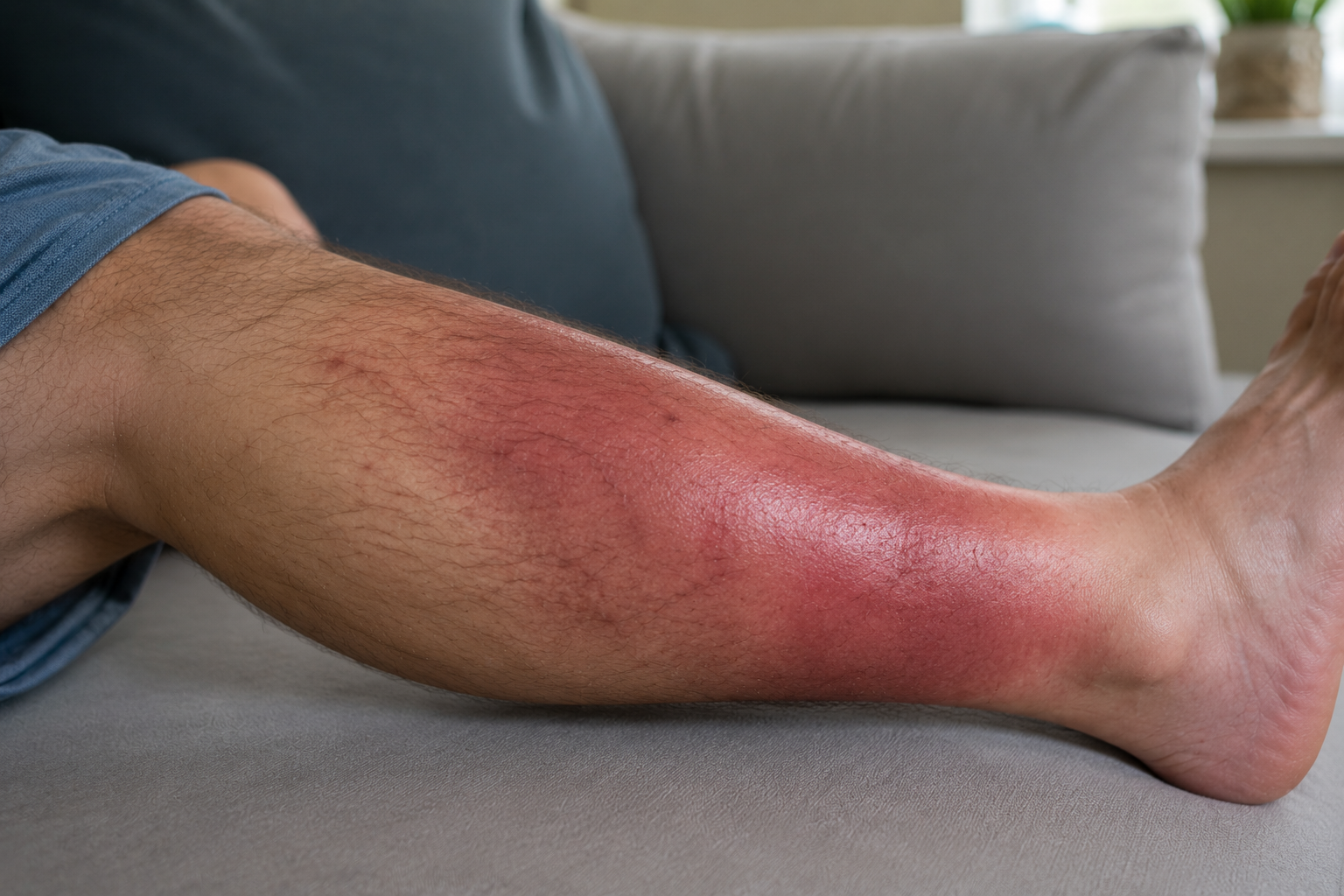
Cellulitis Symptoms: What to Watch For Before It Spreads
Skin that's red, warm, and spreading fast could be a sign of cellulitis. Learn the early symptoms to watch for and when it's time to see a doctor.
Sep 2, 2026
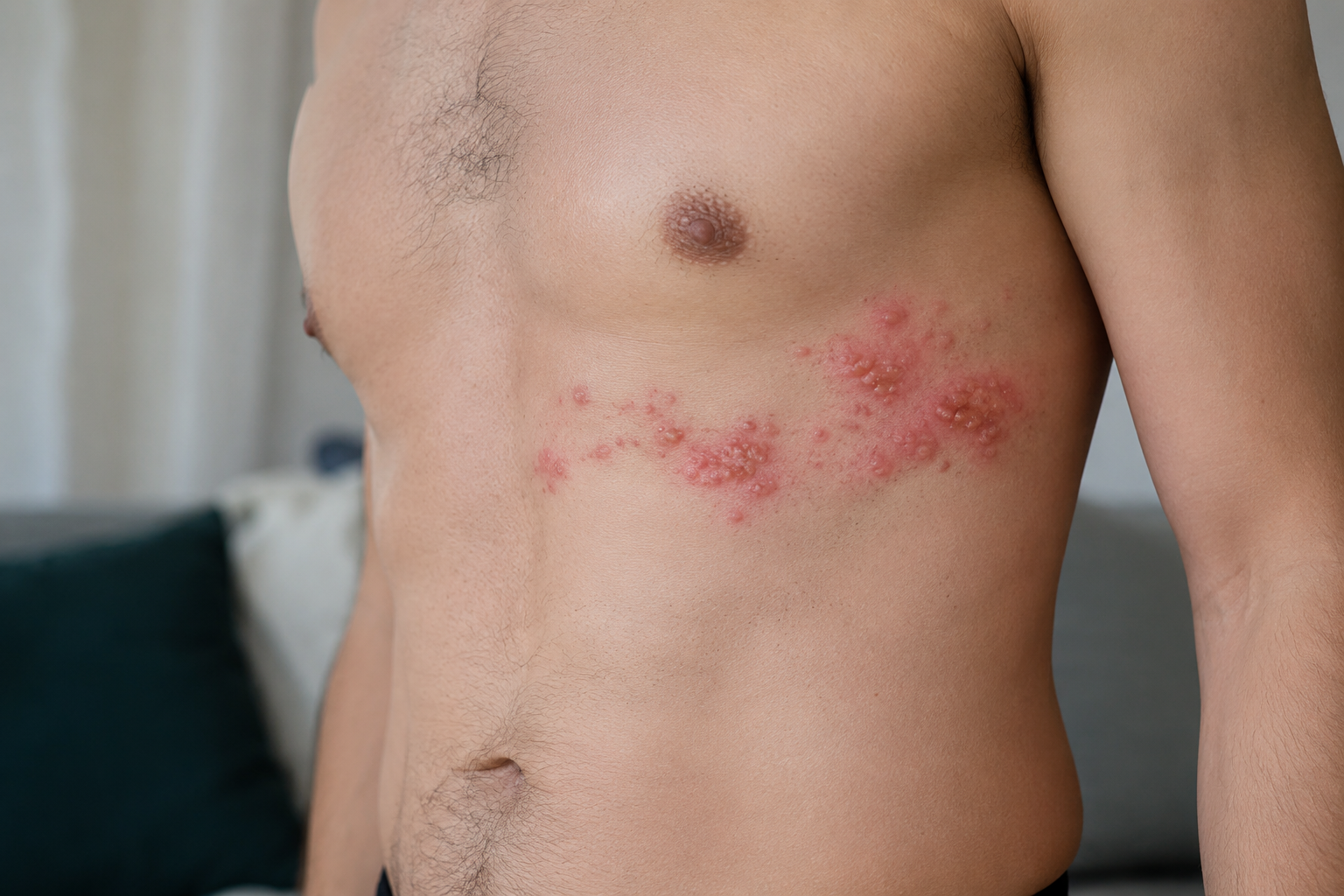
Recognize the Early Signs of Shingles Before It Gets Worse
Shingles often starts before any rash appears. Learn the early symptoms to watch for and why getting treated fast makes a real difference.

Sep 2, 2026
Breaking Out in Hives? Here's What's Actually Causing It
Woke up covered in itchy welts with no idea why? Learn what causes hives, how to find relief, and when it's time to call a doctor.
Ready to speak with a board-certified physician?
Get expert care from the comfort of your home — no insurance required.